Backyard Wedding Ideas: Costs, Decor & Planning for 2026
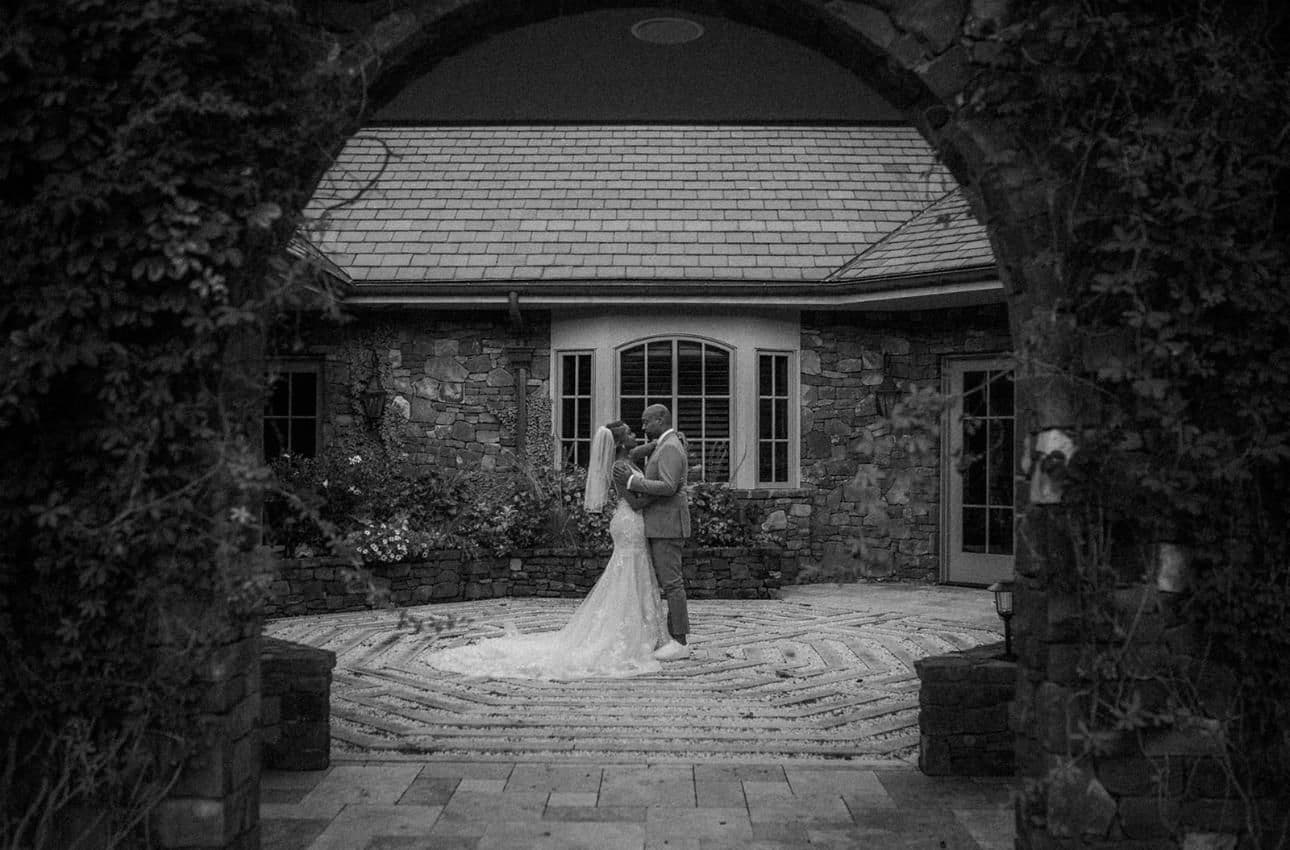
The best backyard wedding ideas don't start with a Pinterest board. They start with a question: how do you want people to feel when they walk through the gate? When we planned our 52-guest wedding, I realized that every single person in that room was someone who truly mattered to us, and a backyard is the one venue that protects that feeling instead of diluting it. No time-slot countdown. No shared parking lot with another couple's reception. Just your people, your space, and a celebration that runs on your clock.
That intimacy is exactly why backyard weddings are surging in 2026. Couples are trading the ballroom for the meaningful, choosing guest experience over social-media optics. The catch is that "backyard" rarely means free, and it almost never means simple. Let me walk you through what these celebrations actually cost, the decor that makes an open lawn feel designed, and what to do when your own backyard is two sizes too small for the day you're imagining.
Quick Navigation
- Why Backyard Weddings Are Having a Moment in 2026
- What a Backyard Wedding Actually Costs
- No Backyard? Rent a Private Estate That Feels Like One
- Backyard Wedding Decoration Ideas on Any Budget
- Designing the Guest Experience in an Open Space
- A Tiered Backyard Wedding Framework
- Your Backyard Wedding Planning Timeline
Key Takeaways
- Backyard weddings aren't automatically cheap, the tent is the largest cost, plus rented tables, restroom trailers, generators, and a licensed electrician.
- The Lakeside Retreat near Tampa sleeps 10 and hosts up to 100 from about $4,000, versus $8,000-$15,000 for Tampa venue space alone.
- The 35-Acre Private Estate near Lake Lanier sleeps 18 and hosts up to 200 guests on 35 acres, starting at $6,565.
- DIY decor stays lean: bud vases run about $12 per trio, fabric runners $15, glass candle holders $22, and table-number cards $47 for 25.
- The Sequoia Foothills collection links four adjacent homes sleeping 42 along the Kaweah River, ten minutes from Sequoia National Park.
Why Backyard Weddings Are Having a Moment in 2026
The wedding industry spent a decade selling couples on the idea that a celebration had to look like a magazine spread. In 2026, the pendulum has swung hard the other way. The two biggest wedding publications are both leading their trend coverage with the same word: intentionality. Meaning over spectacle. A celebration that feels like stepping into your world, not posing inside someone else's brand.
Backyard weddings deliver that almost by default. The setting is already personal, whether it's a family home, a borrowed lawn, or a private property you've rented for the weekend. The Knot now keeps a dedicated gallery just for backyard celebrations, and one of the strongest visual trends right now is the summer backyard reception under an open-sided tent strung with warm light. Vogue, meanwhile, keeps featuring "private-property takeover" weddings, couples claiming an entire estate or family compound for a few days instead of renting a room for a few hours.
Here's what this actually looks like in practice. The guest list naturally shrinks, because a backyard rewards an intimate count. The food gets more personal, because you're not feeding 250 strangers off a banquet line. And the timeline relaxes, because nobody is going to flick the lights at 10 p.m. to push you toward the exit. My aunt used to say that a wedding feast should feel like the best dinner party you've ever been to, just with more flowers. A backyard is the venue that takes that idea most seriously.
The trend also rewards a specific kind of couple: the one who would rather spend on an experience than a venue rental fee. That's the thread running through every section below.
What a Backyard Wedding Actually Costs
Let me clear up the biggest myth first. A backyard wedding is not automatically cheap. The space might be free, but a backyard is a blank slate, which means you are renting, hauling, or building almost everything a traditional venue already owns. I learned this the hard way watching friends assume "we have the yard" meant "we're basically done."
Think of it like building a pop-up restaurant for one night. Here's where the money actually goes:
- The tent. This is the single largest line item for most backyard weddings, especially if rain is even a remote possibility. A proper frame tent sized for dining, a dance floor, and weather protection is rarely a small number, and it climbs fast once you add sidewalls, flooring, and lighting.
- Tables, chairs, linens, and place settings. A traditional venue includes these. Your backyard does not. Plan to rent every fork.
- Restrooms. Your home's two bathrooms cannot serve 60 to 100 guests for six hours. A clean restroom trailer is not optional, and it's a cost most couples forget until late in planning.
- Power and lighting. Catering equipment, a band or DJ, and string lights draw more electricity than a residential circuit can handle. A generator is common, and so is a licensed electrician for the day.
- Catering and bar. This is where your budget should actually live, and the good news is that an intimate count makes per-plate splurges affordable.
The flip side is genuinely encouraging. Decor is the one category where a backyard wedding can run dramatically lean, because nature is doing the heavy lifting and DIY projects shine in a personal setting. The Knot's current pricing for the building blocks of a hand-made tablescape is approachable: bud vases run about $12 for a set of three, fabric table runners start around $15, glass candle holders come in near $22 per set of three, and printed table-number cards land around $47 for 25. One couple featured in their decor coverage spray-painted more than 150 wine bottles into centerpieces, buying empty magnums online for roughly $50 to $60 a case. None of that requires a florist invoice.
My honest guidance: treat the backyard as a way to redirect money, not erase it. You're moving spend out of "venue rental" and into "experience", the food, the bar, the comfort of your guests. That trade is the whole point.
No Backyard? Rent a Private Estate That Feels Like One
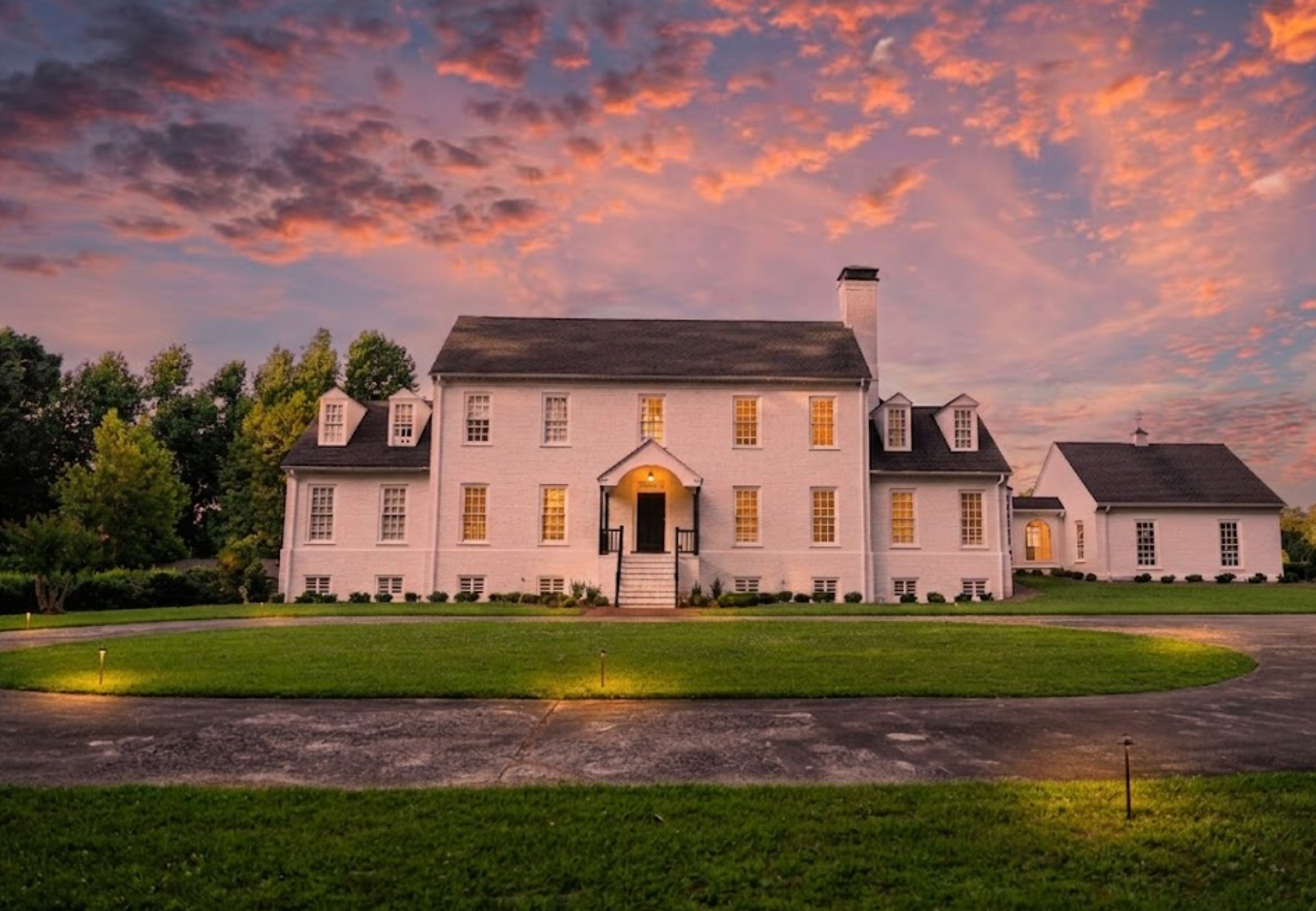
Here's the situation I hear most often: a couple loves the backyard-wedding feeling but their actual backyard seats twelve people and slopes toward the neighbor's fence. The 2026 answer is the private-property rental, and it's the cleanest way to get the intimacy of a backyard with the infrastructure of a venue.
When you rent a private estate for the weekend, the grounds become your backyard, except this one already has the flat lawn, the kitchen, the bedrooms, and the bathrooms a real celebration needs. You also get something a traditional venue almost never offers: time. The morning unfolds without a schedule, the rehearsal dinner and the day-after brunch happen at the same address, and your closest people sleep under the same roof. That is the multi-day "takeover" wedding Vogue keeps featuring, made accessible.
Because every couple's "backyard" is a different size, I think about these rentals in tiers.
Tier one is the truly intimate gathering. The Lakeside Retreat near Tampa is my go-to example. It sleeps 10, hosts up to 100 for the celebration, and the wraparound brick porch over Platt Lake functions as ceremony backdrop, cocktail-hour headquarters, and late-night conversation zone all in one. Weekends start around $4,000, and the reframe matters here, because traditional Tampa venues charge $8,000 to $15,000 for ceremony and reception space alone, before anyone has solved where the wedding party sleeps.
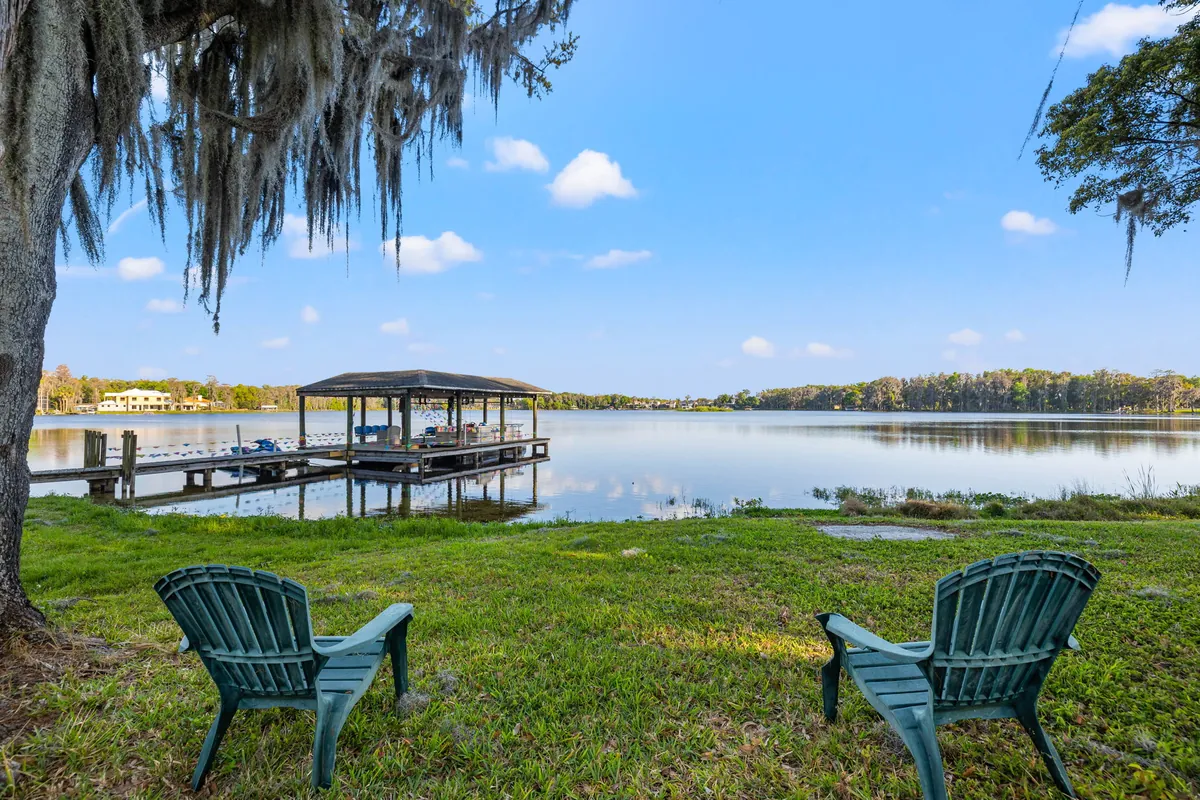
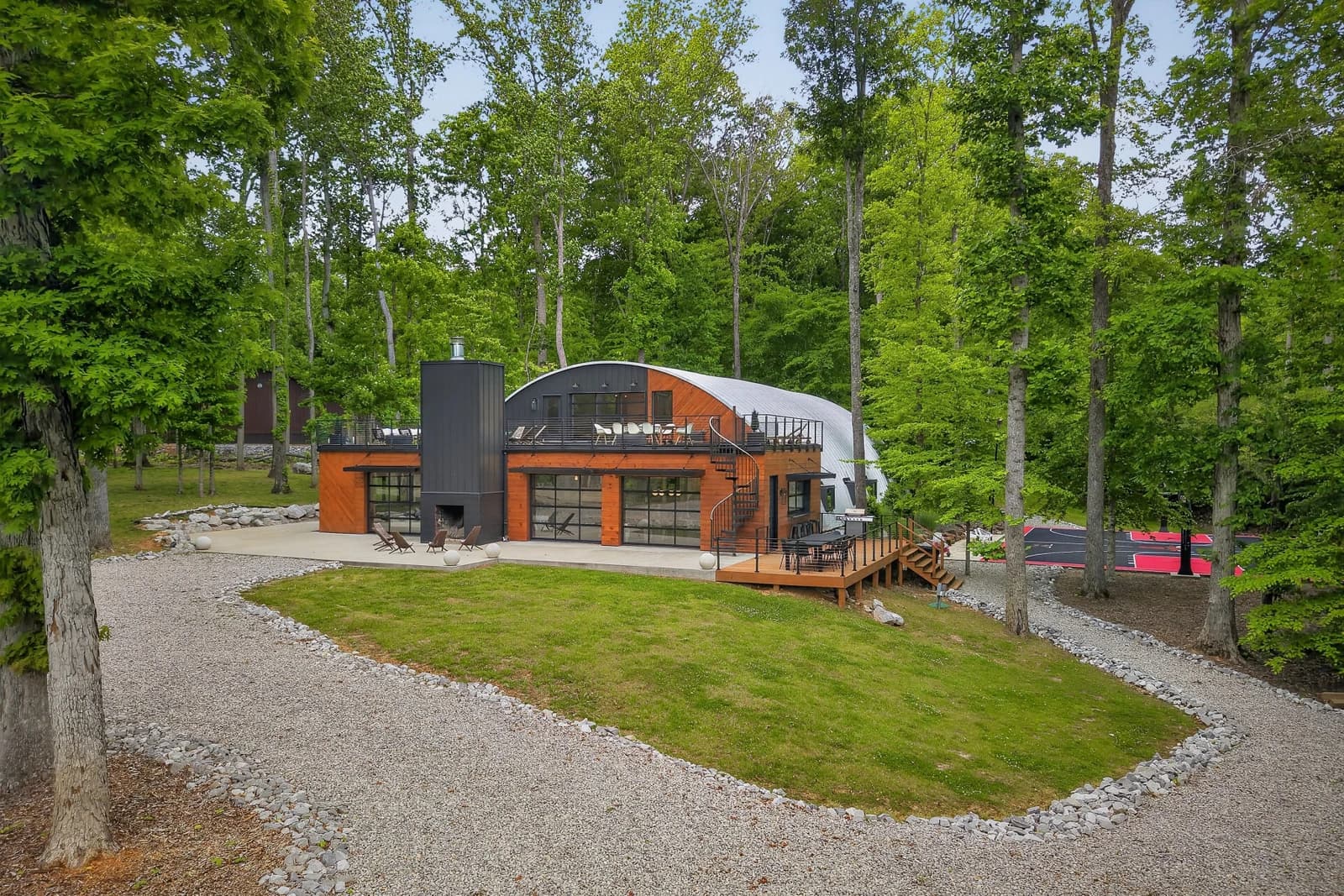
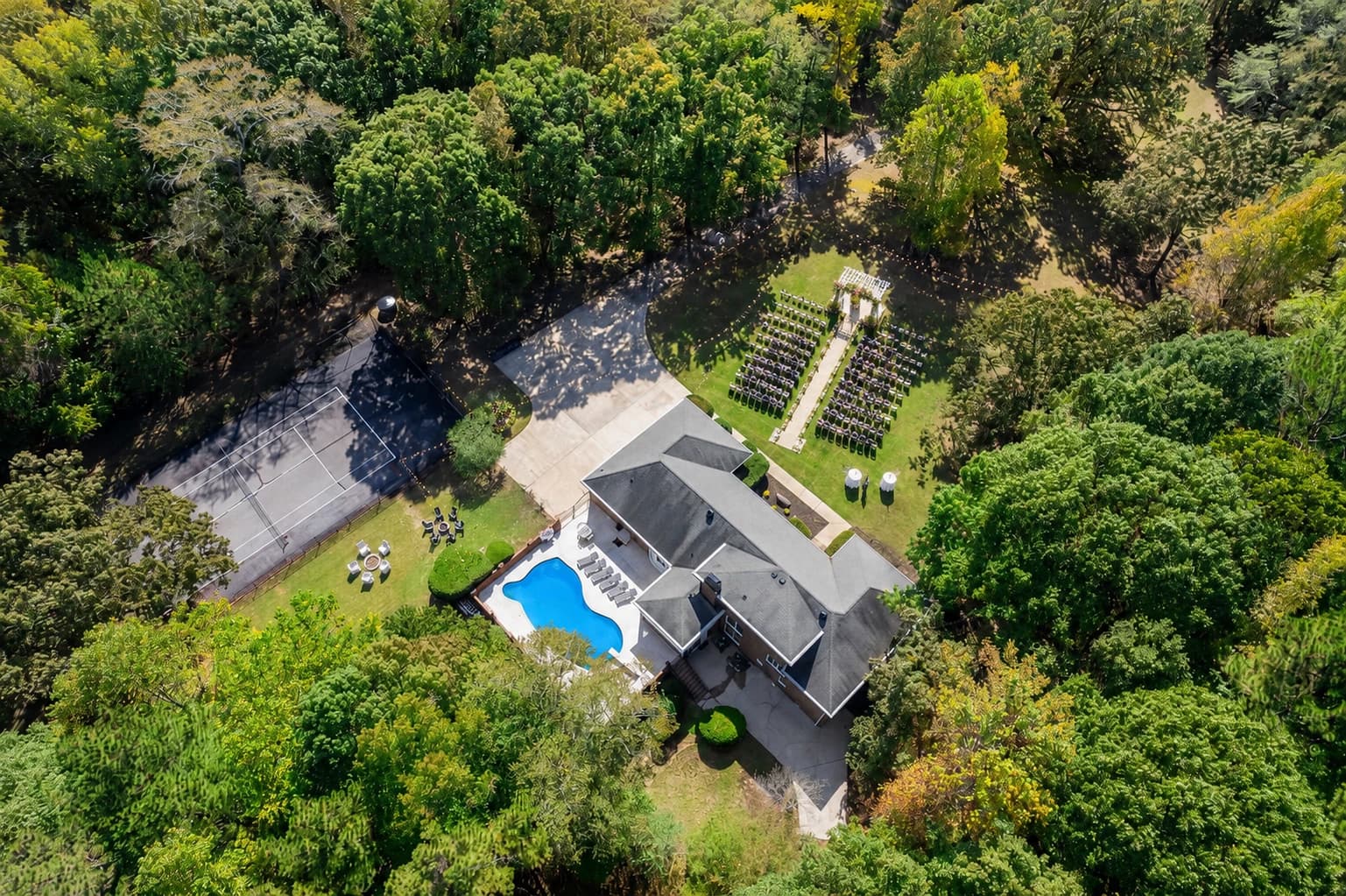
Tier two is the full backyard celebration with room to grow. The 35-Acre Private Estate near Lake Lanier in Georgia sleeps 18 across six bedrooms and hosts up to 200 guests on 35 private acres, starting at $6,565. This is a backyard wedding at scale: a pool deck for cocktail hour, a fire pit for the after-party, and enough open lawn to put a tent wherever the light is best.
Tier three is the multi-day compound. The Sequoia Foothills Riverfront Collection in Three Rivers, California is four adjacent homes sleeping 42 along the Kaweah River, ten minutes from Sequoia National Park. It operates less like a venue and more like a private riverside neighborhood, purpose-built for the multi-day celebrations a backyard could never hold.
If your own yard can't carry the day, browse private wedding venues the way you'd scout a friend's property: look for flat usable ground, a real kitchen, and enough beds to keep your inner circle close.
Backyard Wedding Decoration Ideas on Any Budget
Decor is where backyard weddings earn their reputation for being personal and budget-friendly at once. The current trends happen to be the affordable ones, which almost never happens, so I tell every couple to lean in hard this year.
Start with greenery instead of fabric. A trailing greenery table runner is one of 2026's most-cited tablescape moves, and it costs a fraction of a fully floral runner. Pair it with those $12 bud-vase trios holding just a few stems each. The petite, low-stem bouquet is genuinely trending right now, which means the budget-friendly choice is also the fashionable one.
Then make plants do double duty. "Green" is one of the hottest wedding palettes this year, and the most literal interpretation is the cheapest: cluster potted plants you can replant or gift afterward as centerpieces. Dried flowers are another rising trend that quietly saves money, because you need fewer stems and you can arrange them weeks in advance instead of paying rush florist rates.
Here are the backyard decor ideas I reach for most:
- String lights overhead, always. Nothing transforms an open lawn faster than warm bistro lighting strung between poles or trees. It's the single highest-impact dollar you'll spend.
- A greenery or floral backdrop for the ceremony. A simple arch dressed with foraged greenery reads expensive and costs almost nothing.
- DIY tablescapes. Spray-painted wine bottles, bud vases, candle clusters in $22 glass holders, and printed table numbers near $47 for 25, all assembled at your kitchen table the week before.
- Lawn games and a cozy lounge corner. In a backyard, the "decor" is also the entertainment. A few rugs, floor cushions, and yard games turn empty space into a gathering spot.
- A welcome moment at the gate. A small sign, a drink station, a bowl of citrus or blooms, the first ten feet set the tone for everything after.
The thread tying these together is intention. Every dried-flower arrangement and hand-painted bottle says someone who loves you made this, and that reads warmer than any rented centerpiece. For a printable starting point, WedStay's DIY wedding checklist keeps the project list from spiraling.

Designing the Guest Experience in an Open Space
This is the part most backyard checklists skip, and it's the part I care about most. An open lawn is generous and unforgiving at the same time. There are no walls to define the flow, no built-in coat room, no climate control. So you design those things on purpose, the way a good host plans a dinner party before the first guest knocks.
Start with comfort, because comfortable guests stay longer and dance harder. Think about shade for an afternoon ceremony, a stash of blankets or pashminas for when the temperature drops after sunset, and bug control that runs quietly in the background. A basket of flats by the dance floor is a small touch that earns enormous goodwill on grass.
Then design the flow as a sequence of rooms, even though there are no rooms. Here's what this actually looks like: an arrival zone at the gate, a ceremony space facing away from the setting sun, a cocktail area that pulls people toward the food, and a dinner-and-dancing core under the tent. When guests always know where to go next, the night moves on its own.
Food is your strongest design tool, and it doubles as decor. One of 2026's clearest trends is food-as-spectacle, a grazing table, a wood-fired station, a dessert spread that guests photograph instead of a centerpiece. In a backyard, an interactive food station gives people something to gather around and a reason to mingle. That is exactly the dinner-party-with-more-flowers feeling my aunt always chased.
Finally, build the weather backup before you need it. The tent is your insurance policy, and a clear plan B, moved indoors, shifted under cover, ceremony time adjusted, is the difference between a fun story and a ruined afternoon. From my experience, the couples who plan for rain are the ones who get to relax when the sky stays clear.
A Tiered Backyard Wedding Framework
I plan every backyard wedding in three tiers, and I never let couples skip ahead. Get tier one perfect before you spend a dollar on tier three. This is the framework I wish someone had handed me before our own $28,000 celebration.
Tier one: the non-negotiables. These protect the day no matter what. Weather coverage (the tent or a real indoor backup), enough clean restrooms, reliable power, comfortable seating, and food and drink your guests will remember. If the budget only stretches to tier one, you still have a wonderful wedding. Everything here exists to keep people safe, fed, and dry.
Tier two: the comfort and flow layer. Once tier one is locked, you invest in the guest experience: bistro lighting, a defined ceremony space, shade and warmth for temperature swings, a thoughtful layout, and signage so nobody feels lost. This tier is where a backyard stops feeling like a yard and starts feeling like a venue. It's also the highest-return spend after the essentials.
Tier three: the personality. This is the DIY decor, the lounge corner, the lawn games, the welcome drink, the dried-flower arrangements you made yourself. Tier three is the most fun and the most Instagrammed, which is exactly why couples are tempted to start here. Resist. Personality means nothing if your guests are standing in the rain or waiting in a restroom line.
The beauty of tiering is that it turns an overwhelming open-ended budget into a clear order of operations. Spend down the list, not across it. And never apologize for where your budget runs out, a backyard wedding that nails tier one and tier two is more memorable than a ballroom that spent everything on tier three.
Your Backyard Wedding Planning Timeline
Backyard weddings need more lead time than venue weddings, not less, precisely because you're assembling the venue yourself. Here's the timeline I give my couples.
9 to 12 months out: Lock the location. If you're using your own or a family yard, walk it critically for flat usable space, power access, and parking. If you're renting, this is when you book, the best estate wedding venues for peak-season weekends go a year ahead. Set your guest count now, because everything downstream scales from it.
6 to 9 months out: Reserve the big infrastructure. Tent, restroom trailer, generator, tables, and chairs all book early in wedding season, and the tent especially can sell out. Book your caterer and bar service in the same window.
3 to 6 months out: Build the guest experience. Finalize layout and flow, order lighting, plan the weather backup in writing, and start your DIY decor projects so they're not a panic the final week. This is also when you sketch the day-of timeline.
1 to 2 months out: Confirm everything in writing, delivery and pickup windows, power requirements, the rain-plan trigger time. Do a final walk-through of the space imagining 80 guests in it, and run the numbers one last time with a tool like WedStay's wedding venue cost calculator.
The final week: Assemble decor, stage your zones, and then hand the day-of execution to someone who is not you. A backyard has a thousand moving parts, and you should be getting married, not directing a generator delivery.
Ready to Plan Your Backyard-Style Wedding?
A backyard wedding is really a promise: that the day will feel like you, run on your clock, and put your people first. Whether that backyard is your own lawn or a private estate you've claimed for the weekend, the formula is the same, protect the essentials, design the experience, and let personality fill in the rest.
If your own yard can't hold the celebration you're picturing, let it borrow one that can. Explore WedStay's private wedding venues and estate wedding venues to find a property where the grounds, the kitchen, and the beds all live at one address, the backyard wedding, simply scaled to fit your guest list.
Free Tools for Your Wedding Weekend
Planning a wedding at a private estate or vacation rental? These free tools are built specifically for non-traditional venues.
🎯 Start PlanningWedding Venue Cost Calculator, Real pricing data from 100+ wedding properties. Compare all-inclusive estate costs vs. traditional venues.Browse Vetted Vendors, Vendors who specialize in estate, vacation rental, and backyard weddings. 4.9-star average, vetted and monitored.Wedding Weekend Planning Guide, Multi-day celebration timeline, guest coordination, and 100+ weekend venues from $8,000.
Frequently Asked Questions
Do you need a permit for a backyard wedding?
Often yes, and it's the step couples skip until it's too late. Many towns require a special-event or temporary-use permit once you cross a guest threshold (commonly 50), and tents usually need their own permit plus a fire-marshal sign-off on size and exits. Add noise ordinances that can cut amplified music at 10 or 11 p.m., and street-parking rules if guests overflow the driveway. Call your city or county clerk early, because approvals can take weeks. If you're renting a property like the 35-Acre Estate near Lake Lanier, ask the owner what's already permitted so you're not chasing paperwork.
How many guests can a typical backyard actually hold?
A rough rule: budget about 10 square feet per seated guest for dining, plus room for a dance floor, bar, and catering prep, so a flat quarter-acre comfortably handles 50 to 75, not the 150 some sites imply. Our own wedding ran 52 guests, which felt full but never cramped. Slope, trees, and septic capacity shrink that number fast. If your headcount climbs past what your lawn can carry, that's the signal to rent: the Lakeside Retreat near Tampa hosts up to 100, and the Lake Lanier estate stretches to 200 across 35 acres.
What's a good rain backup plan if a full tent isn't in the budget?
The tent is the biggest line item, but you don't always need the largest one. Reserve a smaller frame tent that covers just dining and the dance floor, and keep the ceremony flexible. A covered porch like the Lakeside Retreat's wraparound brick porch over Platt Lake doubles as a dry ceremony spot. Many rental companies let you hold a tent on a rain-call basis, deciding a few days out. At minimum, have clear umbrellas, a hard-floor surface so heels don't sink in mud, and an indoor room for the cake and gifts. Set your call-it deadline early so you're not panicking the morning of.
Is renting a private estate cheaper than booking a block of hotel rooms?
It often is once you count heads. A weekend at the Lakeside Retreat near Tampa starts around $4,000 and sleeps 10; the Lake Lanier estate runs $6,565 and sleeps 18. Block 10 to 18 hotel rooms at $200 a night for two nights and you're already at $4,000 to $7,200, with everyone scattered across floors instead of under one roof. The estate also folds in your ceremony, reception, rehearsal dinner, and brunch space that a hotel charges separately for. A room block wins only for very large counts who all need beds; for your inner circle, the estate usually wins on cost and closeness.
What catering setup works best for a backyard wedding?
Format matters as much as the menu. Family-style platters and station setups suit a backyard better than a plated banquet, because they're warmer and need less waitstaff. Food trucks are a strong, budget-friendly option for counts under 100, but confirm they can power off a generator rather than your house circuit. Whatever you choose, the caterer needs a flat prep area, water access, and shade, because a backyard has none of a venue's back-of-house, so build that into your rental list. Book tastings months out, too, which lets you lock per-plate pricing before deposits climb.
Do I need event insurance for a backyard wedding at home?
Strongly recommended. A one-day event-liability policy usually runs $100 to $300 and covers injuries or property damage, like a guest tripping on a tent stake. If you're serving alcohol, add host-liquor liability, because your homeowner's policy often won't cover it. Renting tents, generators, and a restroom trailer? Many vendors require you to name them as additional insured before they'll deliver. If you book a private property like the Sequoia Foothills collection, the owner may carry their own coverage but will likely still ask you to add a policy. Buy it once your guest count and vendor list are locked.
Sources
1. 45 Questions to Ask a Wedding Venue During Your Tour · theknot.com
2. Top Hors D'oeuvres Ideas for Your Event or Wedding Cocktail Hour · brides.com
3. The Ultimate Wedding Budget Checklist · vogue.com
4. Ways to Save Money on Your Wedding · nerdwallet.com