Winter Wedding Ideas 2026: What Actually Blooms

Most winter wedding ideas online fall into one of two camps. There's the snowflake explosion in icy blue and silver, and there's the Christmas party that happens to have a bride in it. Neither one shows the season at its best.
I ran a floral studio in Charleston for eight years, and some of my favorite work happened between December and February. The light goes low and gold by late afternoon. Candles do half the design work for you. And the flowers that grow this time of year (hellebores, amaryllis, anemones, camellias) have a moody, painterly quality you simply cannot buy in June, no matter how big the budget.
So this is the guide I'd hand a friend with a date between this December and February 2027: palettes that photograph well by candlelight, flowers that are actually in season, decor and stationery ideas, menus, the logistics that trip couples up, and what a winter wedding really costs when you plan with the season instead of fighting it.
Quick Navigation
- Why Winter Weddings Are Worth a Second Look
- Winter Wedding Color Palettes Beyond Red and Green
- Winter Wedding Flowers Actually in Season
- Winter Wedding Decor Ideas That Work in Low Light
- Winter Centerpieces and Tablescapes
- Winter Wedding Invitations and Stationery
- Winter Menus, Drinks, and Late-Night Comfort
- Planning Around Cold, Dark, and Holiday Travel
- Warm-Weather Winter Weddings on the Water
- A Snowy Winter Wedding Weekend Up North
- What a Winter Wedding Really Costs
Key Takeaways
- Winter weekend or weekday dates can cut most vendor costs 20 to 30 percent, against Zola's $36,000 average 2026 wedding.
- Pale icy blue and silver turn gray under warm candlelight, so deep tones like bordeaux, cobalt, and evergreen photograph better.
- Hellebores, amaryllis, anemones, ranunculus, and camellias are in season December through February, while winter peonies are flown in at a premium.
- February 13, 2027 falls in the priciest rose-buying week, so base designs on ranunculus and anemones with roses as accents.
- Mid-December sunsets hit around 4:30 p.m. in New York, so candle clusters at three heights become the main design element.
Why Winter Weddings Are Worth a Second Look
Fall owns the calendar now. September and October Saturdays book out early, and every vendor you want is juggling three inquiries for the same date. Winter is the opposite. Your photographer has open Saturdays. Your florist has time to actually talk to you. That matters more than people think.
Then there's money. Zola's 2026 cost guide puts the average wedding at $36,000, and the same guide notes that winter weekend dates or weekday celebrations can save 20 to 30 percent on most vendor costs. That's not a coupon. That's a whole category of your budget coming back to you.
The 2026 and early 2027 calendar has some nice quirks, too:
- Saturday, December 12, 2026 reads as 12.12.26, a date Wedgewood Weddings flagged as one of the year's cute ones. Expect it to go faster than the rest of December.
- New Year's Eve falls on a Thursday. That makes New Year's Day a Friday holiday, which hands your guests a natural long weekend.
- Valentine's Day 2027 is a Sunday. Saturday, February 13 becomes the big romantic date, and it also lands in the single most expensive week of the year to buy roses. More on that below.
There's also a bigger shift happening. A recent Yahoo piece on the wedding trends showing up everywhere right now led with weddings becoming full weekends: Friday welcome dinners, Saturday ceremonies, Sunday brunches. Winter suits that format better than any other season. Nobody wants to drive home at midnight in sleet. Everybody wants to stay. (If you're still deciding between seasons, my fall wedding ideas guide covers the autumn side of the same questions.)
Winter Wedding Color Palettes Beyond Red and Green
Let me get my one strong opinion out of the way. Icy pale blue and silver look gorgeous on a Pinterest board and gray in real life. Candlelight is warm light, and warm light flattens pale cool tones into something close to dishwater. If you love blue in winter, go deep. Deep colors hold up in low light. Pastels don't.
Luckily, the rest of the industry has caught up this year. The expert in that Yahoo trend piece, co-owner of a UK venue group, put it simply: "Colour is back with confidence," pointing to emerald green and royal blue. An Italian destination planning studio's 2026 color trend report leads with burgundy and says cobalt "makes a powerful entrance into 2026 weddings." Wedgewood suggests either blue, silver, and white for a winter wonderland feel, or burgundy and forest green for something warmer.
Here are the three winter palettes I'd build today.
Bordeaux, Evergreen, and Antique Gold
This is the grown-up version of red and green. Bordeaux is red with the volume turned down. Pair it with true evergreen foliage and let antique gold (not shiny gold, the brushed kind) show up in flatware, charger plates, and candle holders. Flowers: dark 'Black Baccara' roses, burgundy ranunculus, deep plum hellebores, and a lot of cedar. It reads rich, not festive, which means it still looks right in your photos in July.
Cobalt, Midnight, and Pewter
This one's for couples who want drama without a single red petal. Cobalt goes in small, strong doses: a velvet ribbon on the bouquet, glassware, a single ceramic vessel per table. Midnight navy takes the big surfaces like linens and bridesmaid dresses. Pewter and silver handle the metal. For flowers, white anemones with black centers are the star here, backed by silver dollar eucalyptus and dusty miller for that blue-gray foliage.
Winter White With Texture
An all-white winter wedding can be the most beautiful room of the year or the most boring one. The difference is texture. Mix at least four different white flowers so the eye has something to read: white amaryllis for scale, ranunculus for ruffles, hellebores for that nodding shape, and anemones for contrast. Then layer your fabrics the same way: velvet, linen, a nubby bouclé on the lounge seating. Same color, different surfaces.
A quick design rule that works for any of these: the old interior design 60-30-10 split. Sixty percent is your base (linens, greenery), thirty percent is your secondary color, and ten percent is the accent (usually the metal). It keeps a bold palette from turning into a costume.
Winter Wedding Flowers Actually in Season
In-season flowers cost less, last longer, and look better. That's true every month, but winter is where couples get into the most trouble, because the flowers on their inspiration boards are usually photographed in May.
Here's what's actually good between December and February:
- Amaryllis. Huge, sculptural, available in deep red, white, and the pink-and-white 'Apple Blossom'. The stems are hollow, so your florist will support them with a stake or cane. One stem can hold a whole bud vase.
- Hellebores. Also called the Christmas rose or Lenten rose, with dusty plum, green, and white varieties. They're famous for wilting when cut too young. A good florist buys mature blooms (the ones that have started forming seed pods), which hold up far better.
- Anemones. A winter and spring crop with those graphic dark centers. They open and close with light and temperature, which is charming in a bouquet and a little unpredictable in a centerpiece.
- Ranunculus. California growers hit their stride in late winter. They're the best stand-in for garden roses and peonies, and they ship well.
- Tulips. Good from about January on. They keep growing after they're cut and bend toward light, so arrangements look different by dinner than they did at the ceremony. I think that's lovely. Your planner might not.
- Camellias. Charleston gardens are full of them all winter. The blooms drop off whole instead of shedding petals, so use them floating in shallow bowls or on a cut branch with their glossy leaves, not wired into a bouquet.
- Paperwhites. Beautiful, cheap, and polarizing. Some guests find the scent musky, so I keep them at the entrance or the ceremony, never on a dinner table.
- Winterberry and evergreens. Winterberry holly gives you bright red berries on bare branches through December. Cedar drapes softly, juniper brings blue berries, and Southern magnolia leaves give you that glossy green top with a bronze underside.
What's out: peonies (a spring crop, so winter stems are flown in from the Southern Hemisphere at a premium you'll feel), dahlias, and lilac. If a winter proposal includes them, ask where they're coming from and what that line costs.
Two more things. Roses are available year-round, but wholesale prices climb in the weeks before Valentine's Day, and your florist has to buy in that market. If your date is the weekend of February 13, 2027, build the design around ranunculus and anemones and use roses as the accent, not the base.
And please, skip the baby's breath "snow" clouds. Massed baby's breath in low light photographs like packing foam. I will die on this hill.
If you're thinking about doing some flowers yourself, winter is more forgiving than summer (cool rooms slow wilting), but some pieces are still better left to a pro. I broke down which DIY wedding flowers to make and which to skip in a separate guide.

Winter Wedding Decor Ideas That Work in Low Light
In mid-December, the sun sets around 4:30 p.m. in New York and around 5:15 in Charleston. That means most of your wedding happens in the dark. Plan for it on purpose and it's the best thing about the season.
Make candles the main event. In summer, candles are a finishing touch. In winter, they're the design. Mix three heights on every surface: tall tapers, medium pillars, and low votives. One cluster of 20 candles beats 20 candles spread evenly around a room. Check your venue's flame policy before you design anything, because historic homes and estates often require enclosed flames or LED only.
Use the fireplace. A mantel with a lush garland and a row of tapers is a ready-made ceremony backdrop, and it costs a fraction of a freestanding arch. One warning from experience: fresh garland dries out fast near heat. Order it two or three days out, mist it, and keep real greenery well away from any open flame.
Add velvet everywhere you can. Velvet table runners, velvet ribbon on bouquets, velvet chair ties. It absorbs light in a way that looks expensive in photos, and it's one of the few fabrics that reads as "winter" without a single snowflake.
Double your light with mirrors and mercury glass. A mirrored tray under a candle cluster, mercury glass votives, a few antique mirrors propped along a long table. Every reflective surface is free extra candlelight.
Give guests something warm. A basket of blankets by the door, sheepskin throws on ceremony benches if you're outside for any length of time, and a covered spot for coats. Comfort is decor in winter. Cold guests don't dance.
Skip the fake snow. The spray-on kind reads as lint in close-up photos, and the fluffy blanket kind looks like a department store window.
For the send-off, UK wedding site Hitched's roundup of winter wedding ideas features a sparkler tunnel exit, and it's a gorgeous photo in the dark. Just clear it with your venue first. Plenty of properties ban sparklers outright.
Winter Centerpieces and Tablescapes
Winter tables should be low, long, and glowing. Tall centerpieces block conversation at any time of year, but in winter they also block the candlelight, which is doing all your heavy lifting.
My favorite winter tablescape is also one of the most affordable. Run a loose garland of cedar and juniper straight down the middle of a long table. Tuck in taper candles in antique gold holders every foot or so. Then scatter winter fruit along the greenery: whole pomegranates, pears, and figs cut in half. Add a few bud vases of hellebores or anemones and you're done. It looks abundant, and most of it is greenery and fruit.
A few other ideas that work:
- Single amaryllis stems in bud vases. Cluster five or six down a round table. One stem has as much visual weight as a small arrangement.
- Floating hellebores or camellias. Shallow glass bowls, a little water, three or four blooms each. Hellebores float beautifully, and it solves the wilting problem entirely.
- Potted amaryllis bulbs as centerpieces and favors. Plant them in moss-covered pots and let guests take one home. With a little care they can bloom again next winter, which is more than a jar of honey will do.
- A low white-on-white mix. For the winter white palette, pack low bowls with ranunculus, anemones, and white hellebores, and let silver dollar eucalyptus spill over the edges.
Think about scale, too. Rooms feel bigger and colder in winter when they're under-decorated. It's better to go dense in a few places (the head table, the bar, the entry) than to spread the budget thin across every surface.
Winter Wedding Invitations and Stationery
Stationery is where a winter palette gets its first chance to impress, and it's where I see the most avoidable mistakes.
Go heavier on paper. A thick cotton stock with a deckled edge feels like winter in your hand. Wrap the suite in velvet ribbon in your accent color and close it with a wax seal in bordeaux or antique gold. It's a small upgrade that people remember.
Watch dark envelopes. Midnight or bordeaux envelopes look incredible, but the post office has to read the address. Ask your stationer about white or metallic ink with strong contrast, and test one before you print a hundred.
Pick an envelope color that doesn't look like a holiday card. For a January wedding, invitations usually go out six to eight weeks ahead, which puts them in mailboxes right in the middle of the holiday card rush. A red envelope in December looks like a card from somebody's aunt. It will sit on the counter unopened for a week.
Send save-the-dates on the early side. If your date lands anywhere near Christmas or New Year's, your guests are already juggling family plans and holiday airfare. The earlier they know, the more of them show up. For wording ideas that feel current without getting too cute, WedStay has a guide to modern wedding invitation wording.
Carry the palette to the day-of pieces. Calligraphed place cards tied to a sprig of cedar, menus tucked into velvet napkin ties, or name tags on a small pomegranate at each setting. These cost almost nothing and they make the tables look finished.

Winter Menus, Drinks, and Late-Night Comfort
I'm a flower person, not a chef, but I've designed around enough winter menus to know that food is part of the look. A grazing display piled with cheeses, pears, figs, and grapes, tucked between the same greenery you're using on the tables, is decor you can eat.
For the meal itself, winter gives your caterer permission to go rich: braised short rib, roasted root vegetables, a soup course served in small cups during cocktail hour. Guests coming in from the cold love anything warm in their hands.
Drinks are where you can have fun:
- A mulled wine or hot cider station by the entrance
- A hot toddy as a signature cocktail
- An espresso martini late in the night, when everyone needs a second wind
- A hot chocolate bar with a few good toppings, which is loved equally by kids and by your grandfather
Late-night snacks matter more in winter because dinner tends to start earlier. Grilled cheese bites, soft pretzels, or s'mores by an outdoor fire pit (if your venue allows open flames outside) keep people on the dance floor instead of heading for the coat check.
Planning Around Cold, Dark, and Holiday Travel
Winter weddings go wrong in predictable ways. Almost all of them are fixable if you plan early.
Build your timeline backward from sunset. With sunset around 4:30 p.m. in the Northeast in December, a 4 p.m. ceremony means family photos in the dark. Start at 2:30 or 3 instead, or do a first look so your outdoor portraits happen in daylight. After dark, lean into the candlelit indoor shots. They're often the best photos of the day.
Plan for weather, in writing. Ask every vendor what happens if a storm closes the roads. Read the force majeure clause in each contract. Know who makes the call to delay and how guests will hear about it.
Ask guests to arrive a day early. Flights get delayed and cancelled in winter. Out-of-town guests who fly in Friday afternoon have a buffer. The ones who try to land Saturday morning are the ones who miss your ceremony. This is another reason the weekend format works so well in winter.
Protect the flowers from the cold. Flowers freeze, and the damage often doesn't show until hours later. A bouquet left in a car at 25 degrees during photos can look cooked by the reception. Keep personal flowers indoors between photo stops, and make sure your florist delivers in a heated vehicle.
Expect holiday pricing and staffing. Dates between Christmas and New Year's are popular with guests who have time off, but vendors often charge holiday rates, and staff are harder to book. Ask for holiday pricing in writing before you sign.
Make the practical stuff pretty. Entry mats for wet boots, a proper coat check, and a heated tent if any part of your event is outside. None of this is glamorous. All of it shows up in how relaxed your guests look in photos.

Warm-Weather Winter Weddings on the Water
Not every winter wedding needs a coat. Plenty of couples look at the calendar and decide they'd rather trade snow for sand, and honestly, I get it. Winter is dry season across much of the Caribbean and Central America, which makes it one of the best times of year to plan a warm-weather wedding.
These Key West waterfront villas for gatherings of up to 40 guests are a good example of what's possible. The listing photos show a ceremony lawn lined with palms and white chairs facing the water, and a reception setup with string lights and a checkered dance floor. South Florida's dry season runs through the winter, and sunset lands around 5:45 p.m. in December, which gives you more light to work with than anywhere up north. We have a whole guide to planning a Florida Keys wedding on a tight budget if that's the direction you're leaning.

Design-wise, a warm winter wedding doesn't have to abandon the season. White flowers against deep green palms look crisp and cool, and you can bring in cobalt or emerald through linens and glassware. Just skip anything that hates heat and humidity. Hydrangeas wilt fast in the sun, and even a winter afternoon in the Keys can be warm. Orchids, anthuriums, and local tropical foliage hold up much better.
Farther south, this Playa Hermosa, Costa Rica villa with a pool that sleeps 15 is set up for small beachfront weddings. Costa Rica's Pacific coast has its dry season from roughly December through April, so a winter date there is timing it right, not rolling the dice. For the legal side and the budget math, read our Costa Rica wedding planning guide before you book anything.

A Snowy Winter Wedding Weekend Up North
If you want the real thing (snow on the ground, fire going, everyone in sweaters at brunch), a private estate beats a ballroom every time. You get the house for the whole weekend, and your guests get to stay put instead of driving on icy roads.
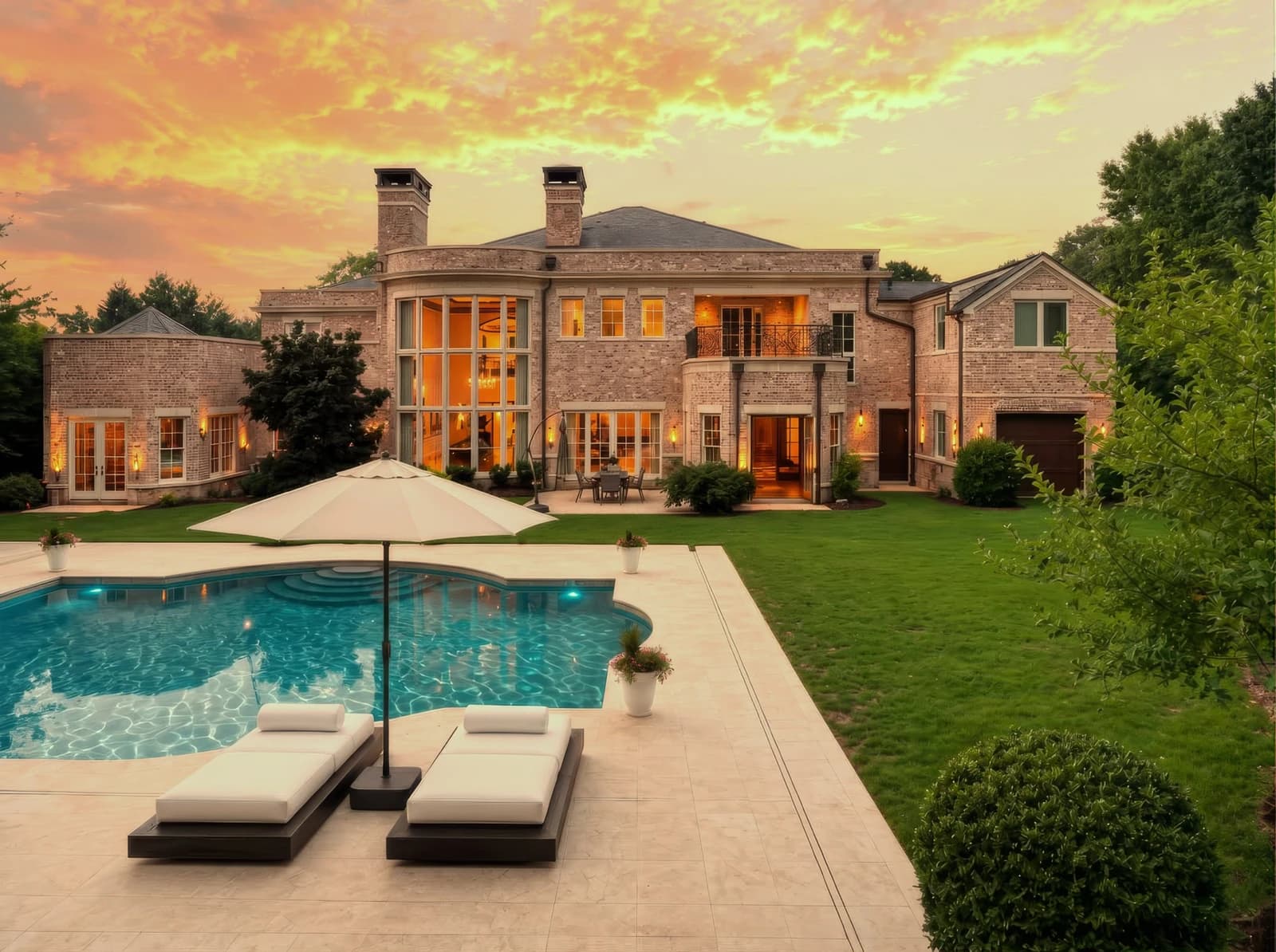
This Hewitt, New Jersey wedding estate with a pool, hot tub, and pickleball court sleeps 22 and sits within easy reach of New York City, which matters in winter when guests are flying into the big airports. The listing photos were taken in the warmer months, showing a big lawn and a curtained pavilion, so ask the host for winter photos, which indoor rooms work for a ceremony, and whether the hot tub runs year-round. A hot tub under the stars after a January reception is its own kind of luxury.

WedStay homes are priced as a total for a two-night minimum (some require three), so the weekend format is built in. Here's how I'd use it in winter:
- Friday: A casual welcome dinner by the fire. Soup, bread, a big cheese board, mulled wine.
- Saturday: An early afternoon ceremony to catch the daylight, then a candlelit reception indoors.
- Sunday: A slow brunch with coffee and pastries before everyone heads out.
Our complete wedding weekend planning guide walks through the full three-day timeline. And if you're putting together welcome bags, winter gives you the best excuse for useful ones: hand warmers, lip balm, a packet of good cocoa, and a printed weekend schedule. I like these DIY welcome bag ideas as a starting point.
What a Winter Wedding Really Costs
Let's talk numbers. Zola's cost guide puts the national average at $36,000, with flowers and decor averaging $6,345 and most couples landing between $5,100 and $7,600 for that category.
Now apply the off-peak discount. If your venue and catering came in near Zola's national averages ($8,573 for the venue and $6,927 for catering), a 20 percent winter break on just those two lines saves about $3,100. At 30 percent, it's closer to $4,650. That's before you touch flowers, photography, or anything else. Not every vendor discounts winter, so ask directly and get it in writing. Where you host matters too: when WedStay compared estate weddings with hotel weddings across 30 real budgets, the gap was bigger than most couples expect.
Winter florals have their own math. In-season stems (ranunculus, anemones, amaryllis, evergreens) keep costs down, and candles do the volume work that flowers would do in summer. A dozen taper candles costs far less than a dozen stems of anything, and in a dark room they create more atmosphere. That's why a well-planned winter wedding can come in at the low end of Zola's floral range and still look lush.
Where costs sneak back up:
- Valentine's weekend. Roses are at their most expensive, and every florist is slammed. Book early and design around other flowers.
- Holiday week. Dates between Christmas and New Year's often carry holiday rates for staff and vendors.
- Out-of-season wish lists. Peonies in January are possible. They're just expensive, and ranunculus gives you nearly the same look for much less.
- Heating and weather backup. Tent heaters, a covered entry, and extra transportation in bad weather are real line items. Budget them from the start.
If I were splitting a winter floral budget, I'd put the most into three places: the bouquet (it's in almost every photo), one strong ceremony focal point like the mantel, and the dinner tables where guests spend the most time. Then I'd let greenery and candles carry the rest of the room. Winter rewards that kind of restraint. The season does a lot of the work if you let it.
Free Tools to Plan Your Budget
Take the guesswork out of wedding finances with tools built on real pricing data and trusted by thousands of couples.
🎯 Start PlanningWedding Budget Planner, AI-powered allocations based on your city, guest count, and style. Real-time tracking, cloud sync, and export, free forever.Wedding Venue Cost Calculator, Compare all-inclusive estate pricing vs. traditional venues. See what a wedding costs in your region with real data.Browse Vetted Vendors, 500+ vetted professionals across 11 categories. Filter by location, compare portfolios, connect directly, no fees.Get the Free WedStay App, browse venues, plan, and book on the go.
Frequently Asked Questions
Is it cheaper to get married in January or December?
January and February are usually the better deal. Zola's 2026 cost guide puts the average wedding at $36,000 and says winter weekend or weekday dates can save 20 to 30 percent on most vendor costs. December is less predictable. Venues are also booking corporate holiday parties, and popular dates like Saturday, December 12, 2026 and New Year's Eve often cost more. Early to mid January tends to be the quietest stretch of the year. February is also good value, except the weekend of February 13, 2027, when rose prices peak before Valentine's Day. Ask each vendor about off-peak rates.
Can wedding flowers freeze at an outdoor winter wedding?
Yes. Most cut flowers are damaged once temperatures drop below freezing, and the damage often shows up hours later as limp, water-soaked petals. Anemones and ranunculus handle cool air well, but no bloom should sit in a car overnight in January. Have your florist deliver close to the ceremony, keep bouquets in a cool indoor room, and keep any outdoor part of the day short. Heat is the other risk. Fireplaces, radiators, and patio heaters dry out flowers and fresh garland fast, so keep arrangements away from them. Hellebores last longest when your florist buys mature blooms.
What should guests wear to a winter wedding?
Rich fabrics and deeper colors suit the season best. Velvet, satin, wool suits, and long sleeves all work, and jewel tones like emerald, burgundy, and navy photograph well by candlelight. Guests should dress for the whole day, not just the reception. That means a real coat or wrap for the ceremony and photos, and shoes that can handle a wet parking lot or a gravel path. If the ceremony is outdoors, add a layer or tights. Couples can help by putting weather details on the wedding website and setting up a coat check, so guests aren't carrying their layers all night.
Is a New Year's Eve wedding a good idea?
It can be, especially in 2026. New Year's Eve falls on a Thursday, so New Year's Day is a Friday holiday and guests get a long weekend without using extra vacation days. The countdown and midnight toast also give the reception a built-in high point. The downsides are real, though. Many vendors charge holiday rates, some guests already have family plans, and flights and hotels are expensive that week. If you choose this date, send save-the-dates early, around eight to ten months out. Also arrange transportation for late-night departures, or plan for guests to stay on site.
How do you plan for snow or bad weather at a winter wedding?
Start with the venue contract. Ask what happens if a storm closes the roads, whether there's a weather or rescheduling clause, and where the ceremony moves if it can't happen outside. Look into wedding insurance that covers extreme weather, and check exactly what counts as a covered cancellation. The biggest risk is people driving on icy roads at night, and you can remove it by choosing a venue where the wedding party and close family can stay over. For everyone else, set up nearby hotel blocks, arrange a shuttle, and keep a group text ready for day-of updates. Add 30 extra minutes to the timeline for arrivals.
How do you get good wedding photos when it gets dark so early in winter?
Build the day around sunset. In mid-December, the sun sets around 4:30 p.m. in New York and 5:15 in Charleston, so the best natural light comes in the early afternoon. Many winter couples do a first look and take family and wedding party portraits before the ceremony, which leaves the evening for candlelit shots. Schedule your couple portraits about an hour before sunset to catch the low, golden light. Ask your photographer how they use flash and handle dark receptions. Look at full galleries from their evening weddings, not just the highlight reels.
Sources
1. 32 Festive Winter Wedding Ideas to Inspire Your Own Cold-Weather · theknot.com
2. Guide to Planning a Cruise Wedding · travelandleisure.com
3. Make-up dos and don'ts for destination weddings · harpersbazaar.com
4. The Most Popular Wedding Cake Flavors · marthastewart.com