Estate Wedding Venues: Timeless Elegance & Grand Architecture
Celebrate in historic manor houses with centuries of elegance and grandeur.
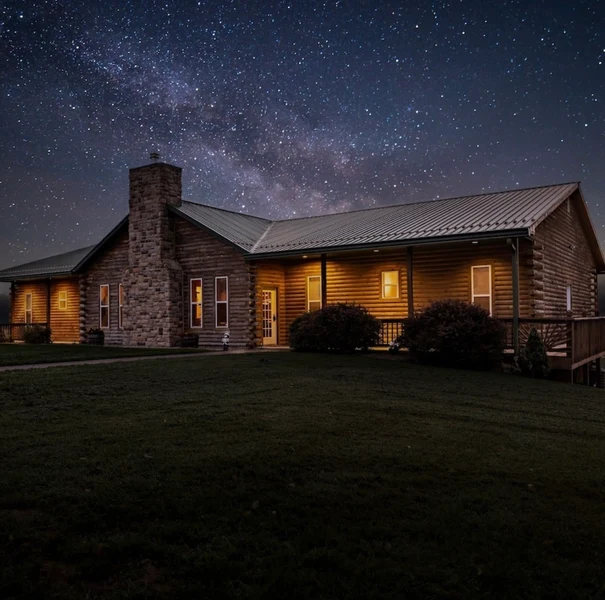 Ozark Lodge Near Mark Twain Forest with Heated Pool & Fishing PondsFalcon, Missouri. Sleeps 26.
 Two Modern Designer Villas steps from Jacó Beach with Pools, Hot Tubs, & Rooftop TerracesJaco, Costa Rica. Sleeps 32.
 Blue Ridge Mountain Manor Estate with 400 Acres of Private Grounds and Grand Event Hall Jefferson, North Carolina. Sleeps 28.
 Historic 25,000sqft Estate with Sweeping Desert Mountain ViewsJerome, Arizona. Sleeps 33.
- Venues
- 160+ WedStay venues
- Price
- Most venues from $7,000
- Where guests sleep
- Sleeps 20 to 350
- Stay
- Full-property weekend stays
The short answer
What is an estate wedding venue?
An estate wedding venue is a whole property, a main house plus its gardens, lawns and outbuildings, that you rent for the weekend so the ceremony, reception and guest rooms share one setting. A mansion is the house itself; an estate is the house and its grounds. Most WedStay venues start from $6,000 for the minimum stay.
Choosing for the house itself? See mansion wedding venues.
Updated November 2026
How does an estate compare with a mansion or a hotel venue?
An estate is chosen for its land, a mansion for its house, and a hotel for convenience. The table shows what changes for your guests.
| Compared | Estate | Mansion | Hotel venue |
|---|---|---|---|
| What you rent | The house and its grounds for the whole stay | A large private house, often with a smaller garden | An event room for a set number of hours |
| Where guests sleep | On site, in the main house and any cottages or guest houses | On site, in the bedrooms of the house | Hotel rooms, booked separately |
| Ceremony setting | Gardens, lawns, terraces or a field on the grounds | Grand rooms, staircases and the lawn | A ballroom or a hotel terrace |
| Who else is there | Only your group | Only your group | Other hotel guests, often other weddings |
How much does an estate wedding venue cost?
Most WedStay venues start from $6,000 for the minimum stay. Estates with more bedrooms, larger grounds or peak season weekends cost more, and the price usually covers the house, the grounds and the guest rooms for the whole stay. Compare live prices by state in the wedding venue cost index.
How many guests can stay overnight at an estate venue?
It depends on the bedrooms in the main house and any cottages on the grounds. The event capacity is usually larger than the sleeping capacity, so close family stays on the estate while other guests book nearby. Each listing shows both numbers, and our guide to wedding venues with lodging explains how to plan around them.
Why Choose Estate Wedding Venues?
Historic estates offer unmatched architectural grandeur, centuries of heritage, and timeless elegance that creates unforgettable traditional luxury weddings.
Grand Architectural Heritage
Estate venues feature extraordinary architecture spanning Georgian, Victorian, Neoclassical, and French Renaissance styles. Grand staircases with ornate balustrades, soaring 20-foot ceilings with crystal chandeliers, marble fireplaces, intricate moldings, and hand-carved details create an atmosphere of timeless luxury. These architectural masterpieces - many built 100-300 years ago - provide a dramatic backdrop that modern venues cannot replicate. Walk down a sweeping staircase for your entrance, exchange vows under a classical portico, or dance in a ballroom adorned with period details.
Formal Garden Ceremonies
Historic estates feature meticulously maintained formal gardens designed by landscape architects over centuries. Manicured boxwood hedges, rose gardens with hundreds of blooms, ornamental fountains, stone terraces overlooking rolling lawns, and tree-lined allées create naturally elegant ceremony settings. These gardens require minimal decoration - the established beauty speaks for itself. Say your vows in a Italian-style garden with classical statuary, under a 200-year-old oak tree, or beside a reflecting pool. Formal gardens provide structured beauty and natural elegance for traditional outdoor ceremonies.
Timeless Photography Backdrops
Estate venues offer unparalleled photo opportunities with classical architecture, formal gardens, and elegant interiors. Capture portraits on sweeping staircases, in front of grand French doors, beneath stone archways, or in library rooms with floor-to-ceiling bookshelves. The architectural details - columns, balconies, terraces, fountains - create magazine-worthy photos without elaborate styling. Your wedding album will have a timeless, editorial quality that transcends trends. Estate photography looks elegant decades later, while trendy modern venues often date photos. Work with professional photographers experienced in architectural photography.
Centuries of Wedding History
Many historic estates have hosted weddings for generations, creating a romantic connection to the past. Celebrate in the same ballroom where aristocratic families held grand celebrations, exchange vows in gardens where countless couples have married, or use the estate's original wedding chapel. This historical significance adds depth and meaning to your celebration. Some estates offer historical tours sharing stories of famous weddings, while others maintain archives of past celebrations. You become part of the estate's living history, with your wedding continuing a centuries-old tradition of love and celebration.
Luxury Estate Amenities
Historic estates offer luxury amenities beyond standard venues: wine cellars for private tastings, billiard rooms for entertainment, formal dining rooms for intimate dinners, libraries for quiet conversations, conservatories with botanical collections, and master suites with period furnishings. Many estates include tennis courts, swimming pools, stables, or lakefront access. These amenities create a full weekend estate experience, not just a wedding venue but a luxury retreat.
Multi-Day Estate Celebrations
Estate venues excel at multi-day celebrations with overnight accommodations, and the estates here sleep 20 to 350 guests. Host welcome cocktails on the terrace Thursday evening, rehearsal dinner in the formal dining room Friday, wedding ceremony and reception Saturday, and farewell brunch in the gardens Sunday. The entire weekend unfolds on the estate grounds without venue changes or hotel shuttles, which turns the wedding into an intimate destination experience. Guests explore the grounds, gather spontaneously in different rooms, and create memories beyond the ceremony itself.
Private
Estate Properties
Gardens
Ceremony Settings
Character
Architecture
20 to 350
Guests Sleep Onsite
Featured Estate Wedding Venues
Each estate offers grand architecture, formal gardens, and centuries of elegance. Browse our collection of historic manors, châteaux, and luxury estates.

Historic Italian Castle for Intimate, Unforgettable Wedding Weekends

40 Acre San Diego Luxury Private Resort w/Pool, Jacuzzi, Gym, Yoga Studio

4,800 sqft Orlando Lakefront Estate | Pool, Speakeasy

New Jersey /NY Wedding Estate with Pool, Hot Tub, and Pickleball – Easy New York City Access

Lake Keowee Modern Estate with Game Room & Private Dock
Historic 25,000sqft Estate with Sweeping Desert Mountain Views

Private Hillside San Marcos Vineyard Wedding Estate with Ocean Views, Resort Pool, Waterslide & Theater

Tuscan 4-Villa Collection with Poolside Gardens & Historic Charm – Near Lucca, Italy
Get Your Complete Wedding Budget Breakdown
Our advanced Wedding Venue & Vendor Cost Calculator includes regional pricing data, vendor estimates, and complete budget planning.
Regional Pricing
Accurate local market data
Vendor Estimates
Real Wedding Vendor estimated costs
Budget Planning
Complete breakdown & tracking
✓ Free forever • ✓ All US regions • ✓ Venue + vendor costs
Frequently Asked Questions
Everything you need to know about estate wedding venues
Estate wedding venues encompass the entire property grounds: not just a building. True estates include the main manor house or château plus extensive landscaped grounds (typically 20-200+ acres) with formal gardens, outbuildings, terraces, water features, and natural landscapes. Mansions or manor houses refer specifically to the architectural structure itself. When booking an "estate wedding," you gain access to the complete property: ceremony sites in different garden areas, cocktail hour on stone terraces, reception in ballrooms or tented lawns, and exploration of the full grounds. The estates on this page sleep 20 to 350 guests overnight across multiple buildings: the main house, guest cottages, carriage houses, or converted stables.
Most estate venues on this page start from $7,000 for the minimum stay, and the median is $10,500. Pricing typically includes venue rental for 2-3 days, overnight accommodations, exclusive property access, and basic amenities. Catering, photography, florals, and entertainment are booked separately, so budget for them on top of the rental. Many estates require 3-night minimum rentals for peak wedding season. Use our wedding venue cost calculator to get accurate estimates based on your guest count and location preferences.
Historic estate wedding venues feature diverse architectural styles reflecting their construction era. Most common: Georgian (1714-1830s) with symmetrical facades, columns, and classical proportions; Victorian (1837-1901) featuring ornate details, turrets, and elaborate trim; Neoclassical (1850-1900) with grand columns, pediments, and temple-like forms; French Renaissance/Château style with steep roofs, towers, and formal symmetry; Italian Renaissance with arched windows, loggias, and courtyard designs; and Colonial Revival (1880-1955) emphasizing American colonial aesthetics. Each style offers distinct character: Georgian estates feel refined and balanced, Victorian estates romantic and detailed, French châteaux grand and dramatic. The architecture influences your wedding aesthetic: formal black-tie affairs suit Neoclassical estates, romantic garden weddings complement Victorian manors, and French châteaux perfect for luxury European-inspired celebrations.
Yes. Historic estate venues need decorating approaches that enhance rather than compete with their architectural beauty. Best practices: embrace the existing elegance by keeping decorations minimal and refined: the estate itself makes the statement. Use floral arrangements to complement period details rather than cover them. Highlight architectural features like fireplaces, staircases, and moldings with strategic lighting rather than heavy decor. Choose color palettes that harmonize with existing interiors: neutrals, garden-inspired tones, or jewel tones work well. Avoid overly modern or trendy decorations that clash with historic architecture. Work with vendors experienced in estate weddings who understand how to enhance rather than overwhelm the space. Many estates have restrictions on what can be attached to walls or where items can be placed to preserve historical integrity. Budget can actually decrease since the venue needs less decoration than blank-slate spaces.
Estate venues can absolutely host casual or non-traditional celebrations, though they naturally lend themselves to formal traditional aesthetics. The key is working with the estate's inherent elegance rather than against it. Casual estate weddings work beautifully with: garden ceremonies in natural settings, farm-to-table dinners on outdoor terraces, lawn games on the estate grounds, picnic-style rehearsal dinners, or intimate family-style meals in smaller rooms. Non-traditional elements that complement estates: food trucks on the lawn, live band concerts, outdoor movie screenings, wine tastings in estate cellars, or multi-day festival-style celebrations. What typically doesn't work: ultra-modern minimalist aesthetics, industrial design elements, or very informal dress codes that feel incongruent with the setting. Many estates welcome creative celebrations while respecting the property's character. Discuss your vision with estate owners to ensure alignment before booking.
Top U.S. regions for historic estate weddings include Hudson Valley NY, Hamptons NY, Finger Lakes NY (historic mansions and Gilded Age estates); Napa/Sonoma CA, Newport Beach CA (wine country estates and coastal properties); Charleston SC, Savannah GA, Virginia (Southern plantations and Colonial estates); Newport RI (Gilded Age mansions); Maryland/Virginia (manor houses and Colonial estates); Texas Hill Country (Spanish Colonial and ranch estates); Colorado (mountain estates and luxury ranches); and New England states like Connecticut, Massachusetts, Vermont (Colonial and Victorian estates). East Coast estates typically feature older architecture (1700s-1800s) with formal European aesthetics, while Western estates tend toward Spanish Colonial, Mediterranean, or ranch styles built 1900s-1940s. Region choice depends on your budget, guest accessibility, and preferred architectural style.
Book historic estate wedding venues 12-18 months in advance for peak season (May-October) at popular properties. Some prestigious estates in Napa, Hamptons, or Charleston book 18-24 months ahead for Saturday prime dates. Off-season dates (November-April) or weekday weddings can often be secured 6-9 months out with better rates. Many estates host only a limited number of weddings each year because of multi-day rentals, making them more exclusive but requiring earlier booking. If you have flexibility, shoulder season dates (April-May, September-October) offer availability 9-12 months out with moderate weather and better pricing. For destination estate weddings, booking early allows guests adequate time to arrange travel and accommodations. Use our venue matcher to compare estate properties, and a WedStay concierge confirms availability within 24 hours.
Essential questions for estate venue tours: What is included in the rental fee and what costs extra? How many days/nights are included and what are check-in/check-out times? What is the maximum overnight capacity and event capacity? Are there noise restrictions or event end times? What spaces are included: ceremony sites, reception areas, getting-ready rooms? Is the estate exclusively yours or are there other events/activities? What is your cancellation and weather backup policy? Do you have preferred vendor lists or can we bring our own? What are insurance requirements? Are there restrictions on decorations, candles, music volume, or property usage? What is included for setup/cleanup and who is responsible? Is there onsite staff or coordination included? What are parking arrangements for guests and vendors? Can we have a site visit during setup to see the transformation? What is the kitchen situation for caterers? These questions reveal true costs, logistical considerations, and whether the estate fits your vision.
Yes, significantly. Historic estate venues offer superior and more diverse photo opportunities than modern venues. Advantages include: architectural variety (grand staircases, columns, French doors, balconies, terraces create multiple portrait settings); established gardens with mature trees, formal hedges, fountains, and pathways providing natural backdrops requiring no additional styling; interior spaces with character: libraries, parlors, dining rooms with period details that add editorial quality; grounds spanning 20-200+ acres offering landscape variety from formal gardens to natural woodlands; timeless aesthetic that won't date your photos (modern trendy venues often look dated within 5-10 years); dramatic elements like stone bridges, gazebos, reflecting pools, or estate entrances; and lighting opportunities with natural stone, varied textures, and architectural shadows. Investing in a skilled photographer makes the most of the estate. The venue itself creates magazine-worthy photos with minimal styling or props.
Accessibility varies significantly at historic estate venues since many predate ADA requirements and cannot be extensively modified due to historic preservation laws. When considering estates for guests with mobility needs, ask specifically: Are there ground-level ceremony and reception options that avoid stairs? Is there accessible parking near main event spaces? Are there accessible restrooms available? Can ramps be temporarily installed if needed? Are pathways between spaces paved or can wheelchairs navigate gravel/grass? Many estates can accommodate mobility limitations through thoughtful planning: hosting ceremonies on flat lawn areas, using first-floor spaces for events, providing golf cart transportation across grounds, and ensuring accessible guest rooms. Some estates have been retrofitted with elevators or ramps in compliance with regulations. Always disclose accessibility needs during venue tours and request specific accommodations in your contract. Work with vendors to ensure accessibility throughout the event. Consider guest demographics when selecting an estate: if many guests have mobility concerns, choose estates with ground-level options and minimal terrain challenges.
Still have questions about estate wedding venues?
Browse Estate Venues & Get Answers