Wedding Weekends at Your Short-Term Rental: The Revenue and the Real Work

Couples spend more on the venue than on any other single part of a wedding. For a short-term rental owner with the right property, that spending can turn a handful of weekends a year into some of the most valuable bookings on the calendar. It also brings work that a normal stay does not. This guide covers both sides: what the numbers say, what hosting a wedding actually involves, and how to decide whether to run it yourself or with a partner.
What Couples Spend on a Venue
The Knot 2026 Real Weddings Study, which surveyed 10,474 US couples married in 2025, puts the average wedding cost at $34,200 and the average venue cost at $12,900. Venue spend rises with the guest list:
- 1 to 50 guests: $6,500 on average
- 51 to 100 guests: $10,400 on average
- 101 or more guests: $16,000 on average
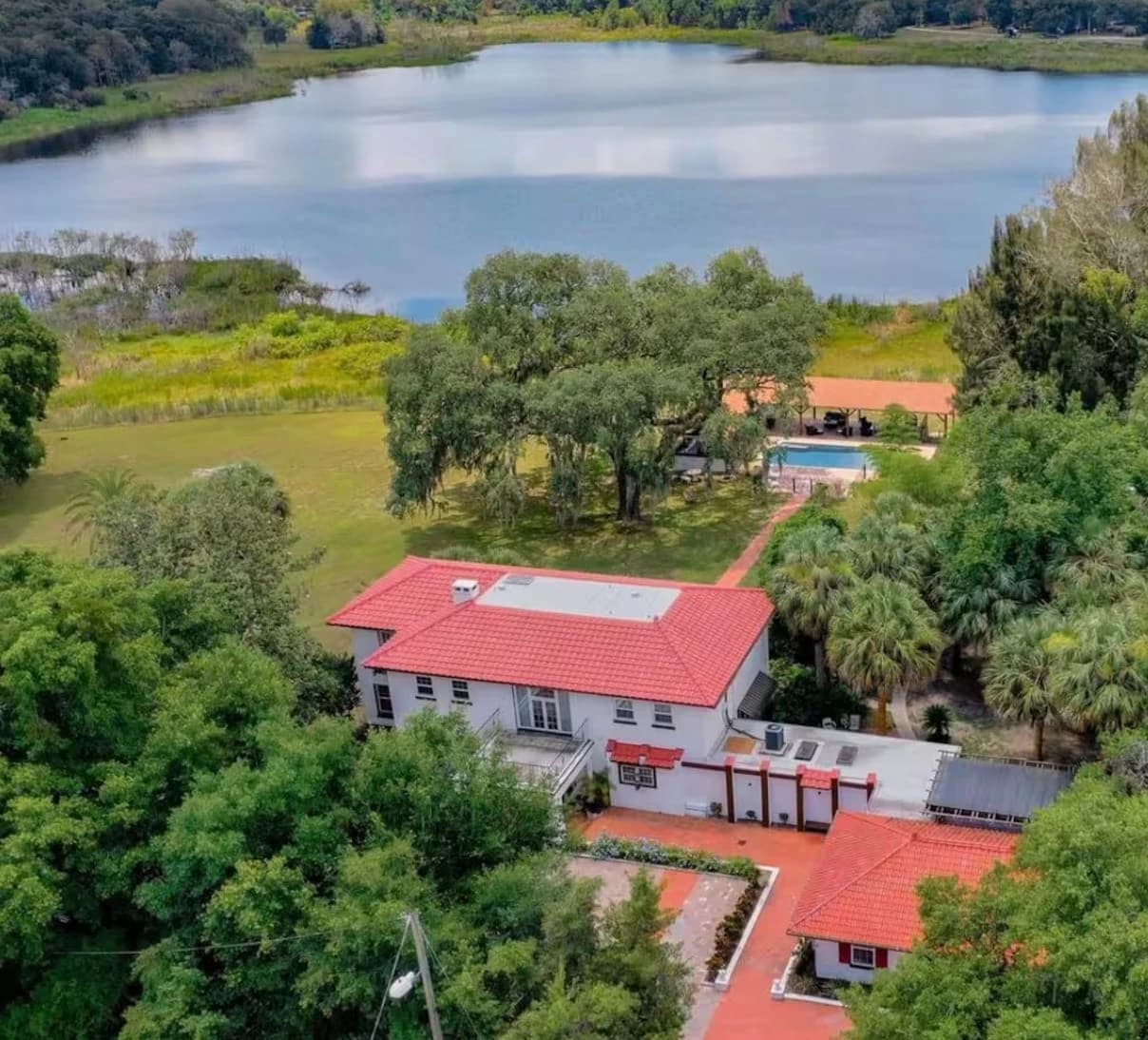
Two points matter for rental owners. First, the venue is a large share of the budget, so couples take the decision seriously and compare options carefully. Second, smaller weddings still carry real venue budgets. A property that can host 50 guests on the lawn, and sleep the wedding party in the house, is competing in a bracket where couples spend thousands on the venue alone.
These are national averages. What your property can earn depends on your market, your capacity, your season and what you include, so treat them as context, not a forecast.
Why a Rental Can Compete With a Traditional Venue
A rental offers something most banquet halls cannot: the lodging and the celebration in one place. Couples can stay on site with family and close friends, host a welcome dinner the night before and a brunch the morning after, and avoid shuttling between a hotel and a venue. Properties with more bedrooms tend to be the most useful here, because more of the wedding party can stay together.
Price still drives the decision. According to The Knot, 76 percent of couples say price is the most important factor when choosing a wedding venue. A rental that prices its event clearly, with lodging and event costs shown up front, is easier for couples to compare and easier to say yes to.
The Work That Comes With a Wedding
Hosting a wedding is not a longer version of a normal stay. Before couples book, they usually ask questions like these:
- Can we bring in an outside caterer, and where will they set up?
- Where can the ceremony, the dance floor and the band go?
- What are the noise rules, the power capacity and the parking plan?
- Is there an event contract, a deposit and a payment schedule?
- Can vendors arrive early to set up, and when must they be gone?
Behind those questions sit decisions you need to make before the first inquiry arrives:
- Rules and local requirements. Noise ordinances, permits, parking limits and event insurance requirements vary by location. Check them before you advertise event use.
- Platform rules. Airbnb's Community Disturbance Policy does not allow disruptive gatherings of any size, and it does not allow listings to be advertised as party friendly. Read the rules of every platform you list on, and put your event terms in a written agreement with the couple.
- Pricing. An event fee, minimum stay, security deposit and cleaning plan all need to fit together. Price too low and you carry the wear for little return; price too high and couples move on.
- Operations. Vendor load in and load out, turnover after the event, damage checks and neighbor communication all land on someone.
If you plan to run event bookings yourself, the right tools help. Our guide to vacation rental software for event venues compares the common platforms on minimum stays, deposits, event fees and turnover.
Running It Yourself or With a Partner
Some owners enjoy running the wedding side of the business and do it well. Others want the bookings without becoming a wedding sales team. That is the gap WedStay works in.
WedStay is a curated portfolio of wedding friendly vacation rentals and private estates. Owners apply to join, and every property is reviewed by video walkthrough or an in person visit before it is listed. For properties that are accepted, WedStay:
- Builds the listing and a pricing calculator for the property
- Markets the property to couples planning weddings
- Handles the conversations with couples and guides them through booking
- Secures bookings with deposits
Owners keep their own brand and keep their other rental channels. There are three partnership tiers: WedStay Collection, Weddings by WedStay and WedStay Signature. The higher the tier, the more of the wedding business WedStay runs behind the scenes. WedStay earns a commission on bookings. Tiers 1 and 2 also carry an annual portfolio fee, and if WedStay has not brought you a booking during a term, you can take a refund of that term's fee or credit it toward the next year. Current terms are on the property owners page.
If you want WedStay to manage every wedding lead, including the ones that come to you directly, read the Weddings by WedStay partner guide.
Is Your Property a Fit
A few questions help you decide whether wedding bookings make sense:
- Do you have an outdoor or indoor space that can hold a ceremony or reception, plus a backup plan for weather?
- Can the house sleep the wedding party or close family?
- Do local rules, your neighbors and your insurance allow events?
- Do you have weekends, or a season, where a wedding would earn more than a standard stay?
If the answers are mostly yes, the opportunity is worth a closer look. For a wider view of where wedding demand is heading, read wedding industry trends and what they mean for short-term rental owners. When you are ready, you can apply on the WedStay property owners page.
Sources
- The Average Wedding Cost, According to The Knot Data (The Knot 2026 Real Weddings Study)
- The Average Wedding Venue Cost (The Knot)
- Community Disturbance Policy (Airbnb)