The Complete Wedding Weekend Planning Guide: 3-Day Timeline, Budget & Logistics (2026)

Quick Navigation
- What Is a Wedding Weekend (and Why Is It Replacing the One-Day Wedding)?
- Activities to Plan (and When to Plan Nothing)
- Wedding Weekend Budget Breakdown
- Choosing the Right Venue
- Month-by-Month Planning Checklist
- The 3-Day Wedding Weekend Template Timeline
- The 4-Day Extended Version (For Destination Weddings)
I've coordinated over 200 wedding weekends across 14 states. I've seen couples pull off flawless three-day celebrations for 30 guests and watched 200-person weekends unravel because nobody planned the shuttle route. The difference between those outcomes has nothing to do with budget. It has everything to do with logistics.
Here's the game plan. This guide is the playbook I hand every couple on our first call. Three-day template. Four-day variation. Real budget numbers from actual events. Venue checklist. Guest communication timeline. Activity planning. The full operation, start to finish.
Let me be direct: a wedding weekend is not three separate events stapled together. It's one continuous experience with multiple phases. Plan it that way and everything clicks. Plan it as three isolated days and you'll spend Sunday morning apologizing for Saturday night.
What Is a Wedding Weekend (and Why Is It Replacing the One-Day Wedding)?
The single-day wedding is becoming the exception, not the rule. In my 200+ coordinated events, I've watched the shift happen in real time. Five years ago, maybe 20% of my inquiries were multi-day. Now it's closer to 85%.
The reason is simple. Couples are spending $35,000 to $45,000 on their wedding. For a single-day event, that buys you roughly six hours with your guests. Six hours to justify months of planning, thousands in travel costs for attendees, and a week of PTO. The math doesn't work.
A wedding weekend stretches that same investment across 48 to 72 hours. Your cost per guest experience hour drops dramatically. Based on my post-event surveys, 94% of wedding weekend guests report high satisfaction compared to 71% for traditional single-day weddings. That's not a marginal improvement. That's a different category of event.
💡 The Bottom Line
Wedding weekends cost roughly 40% more than single-day weddings but deliver 3x the guest experience hours. The per-hour value is actually better. And 78% of couples who plan a wedding weekend say they'd do it again, compared to just 52% of single-day couples.
Who is this for? Couples who want their closest people together for more than a cocktail hour and a dance floor. Destination wedding couples who are already asking guests to travel. Anyone who's looked at the math and realized a $40,000 six-hour party is a tough sell when you could have a $50,000 three-day celebration instead.
The 3-Day Wedding Weekend Template Timeline
I've refined this timeline across hundreds of events. It works. Modify the details to fit your venue and style, but the structure is battle-tested.
Day 1 (Friday): Arrival and Welcome
2:00 PM - 4:00 PM: Guest arrivals and check-in. Have welcome bags ready in rooms (more on these later). Post clear signage. Assign someone to greet and direct.
4:00 PM - 5:30 PM: Free time. Let guests settle in. This is not optional downtime. It's mandatory decompression. People just traveled. Let them breathe.
5:30 PM - 6:00 PM: Gather for welcome drinks. Keep it casual. A bar setup on the patio, coolers by the pool, whatever matches your venue.
6:00 PM - 8:30 PM: Welcome dinner. This sets the tone for the entire weekend. I cannot overstate this. A mediocre welcome dinner creates a vibe that's hard to recover from. It doesn't need to be formal. It needs to be good. Tacos, barbecue, pizza from the best local spot. Casual food executed well beats a stiff plated dinner every time.
8:30 PM - Late: Bonfire, games, conversation. No schedule. No agenda. Let people connect. This is where the magic of a wedding weekend starts. Guests who arrive as strangers leave Sunday as friends.
⚠️ Non-Negotiable
Build a 2-hour buffer between when you expect guests to arrive and when the first organized activity starts. Traffic happens. Flights get delayed. The shuttle breaks down. (I've seen this go wrong exactly 47 times. Plan for it.)
Day 2 (Saturday): The Main Event
8:00 AM - 10:00 AM: Breakfast available. Not a formal sit-down. Continental setup, coffee station, maybe a waffle bar. People wake up at different times. Let them.
10:00 AM - 12:00 PM: Optional morning activity. Pool time, yoga, hiking, lawn games. Key word: optional. Some guests need this time to decompress or get ready. Never schedule mandatory activities on ceremony day.
12:00 PM - 1:00 PM: Light lunch available. Sandwich bar, salad station. Keep it simple because a heavy lunch before a 5 PM ceremony creates drowsy guests and uncomfortable formalwear.
1:00 PM - 4:00 PM: Ceremony prep. Wedding party gets ready. Photographer starts detail shots. Coordinator does final walkthrough. This is your buffer block, and you need every minute.
4:30 PM: Guest seating begins.
5:00 PM: Ceremony.
5:30 PM - 6:30 PM: Cocktail hour.
6:30 PM - 10:00 PM: Reception. Dinner, toasts, dancing.
10:00 PM - Late: After-party. S'mores, late-night snack station, continued dancing. This is one of the biggest advantages of a venue buyout. No hotel closing the bar at midnight. No noise complaints from adjacent rooms. Your venue, your rules (within the property's noise guidelines, of course).
Day 3 (Sunday): Farewell
9:00 AM - 11:00 AM: Farewell brunch. The most underrated meal of the wedding weekend. I get emotional about this one because it's when the whole weekend lands. People are relaxed, slightly sleep-deprived, and genuinely connected. The brunch conversation is different from every other meal because everybody shared something real together.
11:00 AM - 12:00 PM: Checkout. Hugs. Tears. Promise to visit each other.
12:00 PM+: Optional activities for guests with late flights. Beach trip, winery tour, local sightseeing.
The 4-Day Extended Version (For Destination Weddings)
If you're asking guests to fly somewhere, give them a reason to arrive early or stay late. I typically recommend adding Thursday as an arrival day.
Thursday: Early arrivals, pool day, low-key dinner at a local restaurant. No formal programming. This is for the wedding party, immediate family, and the friends who took the extra day off. It's the "inner circle" day and couples consistently tell me it's their favorite part.
Friday through Sunday: Follow the 3-day template above.
Alternatively, add Monday for a post-wedding adventure day. Zipline tour, snorkeling trip, golf outing. Works especially well for international destination weddings where guests want to explore.
Wedding Weekend Budget Breakdown
Let me give you real numbers from actual events I've coordinated. Not aspirational ranges. Not "starting at" nonsense. What couples actually spend.
The Rule of Thirds
I tell every couple the same budgeting framework: one-third venue, one-third food and beverage (all meals, not just the reception), one-third everything else.
For a 75-guest wedding weekend at a private estate:
| Category | Budget Range | Notes |
|---|---|---|
| Venue (entire weekend) | $7,500 - $12,500 | 2-night or 3-night minimum, includes lodging for core group |
| Food & Beverage (6+ meals) | $8,000 - $18,000 | Welcome dinner, breakfast x2, lunch, reception, brunch |
| Photography/Video | $4,000 - $8,000 | Multi-day coverage costs more but captures the whole story |
| Music/Entertainment | $2,000 - $4,000 | DJ or band for reception, speaker system for other events |
| Florals & Decor | $2,500 - $6,000 | Ceremony, reception, and welcome dinner spaces |
| Officiant | $500 - $1,500 | |
| Welcome Bags | $500 - $1,500 | Budget $15-25 per bag |
| Transportation | $1,000 - $3,000 | Airport shuttles, venue transfers |
| Activities | $500 - $2,000 | Lawn games, group excursions, yoga instructor |
| Day-of Coordinator | $2,000 - $4,000 | Non-negotiable for multi-day events |
| Total | $28,500 - $61,500 |
Use the WedStay cost calculator to build your specific budget based on guest count, venue, and region.
💰 What Most People Miss
The biggest budget surprise in wedding weekends is food. You're feeding people 6+ meals over 3 days, not just one reception dinner. A single-day wedding might spend $8,000 on catering. A wedding weekend often hits $15,000+ because you're covering welcome dinner, two breakfasts, a lunch, the reception, and a farewell brunch. Plan for it from day one.
The flip side? Accommodation savings. When 15-30 guests stay on-site at the venue, you eliminate hotel room blocks entirely. In my experience, couples save $8,000 to $12,000 on guest accommodations by choosing an estate where everyone stays together. The venue cost absorbs what would have been your room block expense.
Choosing the Right Venue
This is non-negotiable: the venue IS the weekend. I learned this the hard way on my first wedding weekend back in 2018. Wrong venue, and no amount of planning saves it. Here's your venue selection checklist:
Must-Haves for a Wedding Weekend Venue
Enough bedrooms. Not "we can squeeze people in" enough. Comfortably enough. If your venue sleeps 20, plan for 18. Someone always needs a room to themselves.
Indoor AND outdoor spaces. You need weather contingency for every single event across 3 days. One rainy afternoon with no indoor gathering space and your guests are trapped in their rooms scrolling Instagram.
Kitchen capacity. Six meals over three days. A one-burner kitchenette isn't going to cut it. You need a real kitchen that caterers can work in, or enough outdoor space for food trucks and tent setups.
Multiple gathering areas. A wedding weekend needs at least three distinct zones: ceremony space, reception/dining area, and casual hangout zone. If every event happens in the same room with different tablecloths, the weekend feels repetitive.
Privacy. Exclusive-use venues matter even more for multi-day events. Sharing a venue with other guests for one evening is manageable. Sharing it for three days is not.
Proximity to backup. Hotels nearby for overflow guests. Restaurants for spontaneous outings. Grocery stores for last-minute supplies. A venue that's "only 45 minutes from town" sounds romantic until you're 45 minutes from everything at 9 PM on Friday when you realize you forgot the champagne for the toast.
Download the complete wedding planning checklist to track every detail.
Guest Communication Timeline
From an operations standpoint, communication failures cause more wedding weekend problems than budget shortfalls. Here's the game plan for keeping 50 to 200 people informed without overwhelming them.
12 Months Out: Save the Date
- Note that this is a multi-day event (Friday through Sunday)
- Include the general area/destination
- Mention that additional details are coming via wedding website
6 Months Out: Invitation + Wedding Website
- Full weekend schedule (preliminary)
- Travel logistics (airport codes, driving directions)
- Accommodation details (on-site vs. nearby hotels)
- What to pack (especially important for outdoor venues)
- RSVP for the full weekend, not just the ceremony
2 Months Out: Detail Update
- Finalized schedule with times
- Activity sign-ups if applicable
- Transportation schedule (shuttles, carpools)
- Local restaurant recommendations
- Weather expectations and dress code for each event
1 Week Out: Final Communication
- Arrival instructions and check-in process
- Emergency contacts (coordinator, couple's designated point person)
- Any last-minute changes
- Reminder about house rules (quiet hours, parking)
📋 Pro Tip
Assign a "point person" who is NOT in the wedding party. Someone reliable, calm, and available by phone all weekend. When guests have logistical questions (where's the nearest pharmacy, what's the wifi password, where should I park), they text the point person instead of the couple. Use the DIY wedding checklist to delegate responsibilities.
Activities to Plan (and When to Plan Nothing)
Guest experience degrades rapidly after 6 hours of unstructured time. I've tracked this across 200+ events. After about 6 hours with nothing organized, guests get restless, cliquey, or start leaving.
But the opposite is also true. Over-scheduling kills the relaxed vibe that makes wedding weekends special. The sweet spot? One organized activity per half-day, with everything framed as optional.
Activity Ideas by Venue Type
Pool/Estate Venue: Pool tournament, lawn games (cornhole, bocce, croquet), cocktail-making class, sunset yoga
Mountain/Outdoor Venue: Group hike, bonfire with s'mores, stargazing, morning nature walk, fishing
Wine Country Venue: Tasting at a nearby winery, vineyard tour, cheese and charcuterie workshop
Beach/Coastal Venue: Surfing lessons, beach volleyball, sunset boat cruise, snorkeling
Any Venue: Movie night with projector, trivia about the couple, group cooking class, spa day, golf outing
For retreat-style venues, many activities happen naturally on-site. That's one of the biggest advantages of choosing a property with built-in amenities.
Vendor Considerations for Multi-Day Events
Here's what changes when you go from a one-night wedding to a three-day weekend. Most vendors aren't set up for this, and the ones who are will charge accordingly. I keep a shortlist of multi-day specialists in each region because the difference between a one-night caterer and a weekend caterer is night and day.
Catering: You need someone who can handle 6+ meals over 3 days with varied menus, not just one reception menu replicated. Ask specifically about multi-day experience. Check the WedStay vendor marketplace for vendors experienced with multi-day weekend events.
Photography: Budget for extended coverage. A photographer who captures Friday welcome dinner through Sunday brunch tells a completely different story than ceremony-and-reception-only coverage.
Day-of Coordinator: Upgrade to a full weekend coordinator. This is the single most important vendor upgrade for a multi-day event. A coordinator who leaves after the reception Saturday night can't help when the brunch caterer shows up to the wrong entrance Sunday morning.
Rentals: You'll likely need different configurations for welcome dinner, ceremony, reception, and brunch. Clarify whether rental companies charge per-setup or per-item-per-day.
WedStay Properties Built for Wedding Weekends
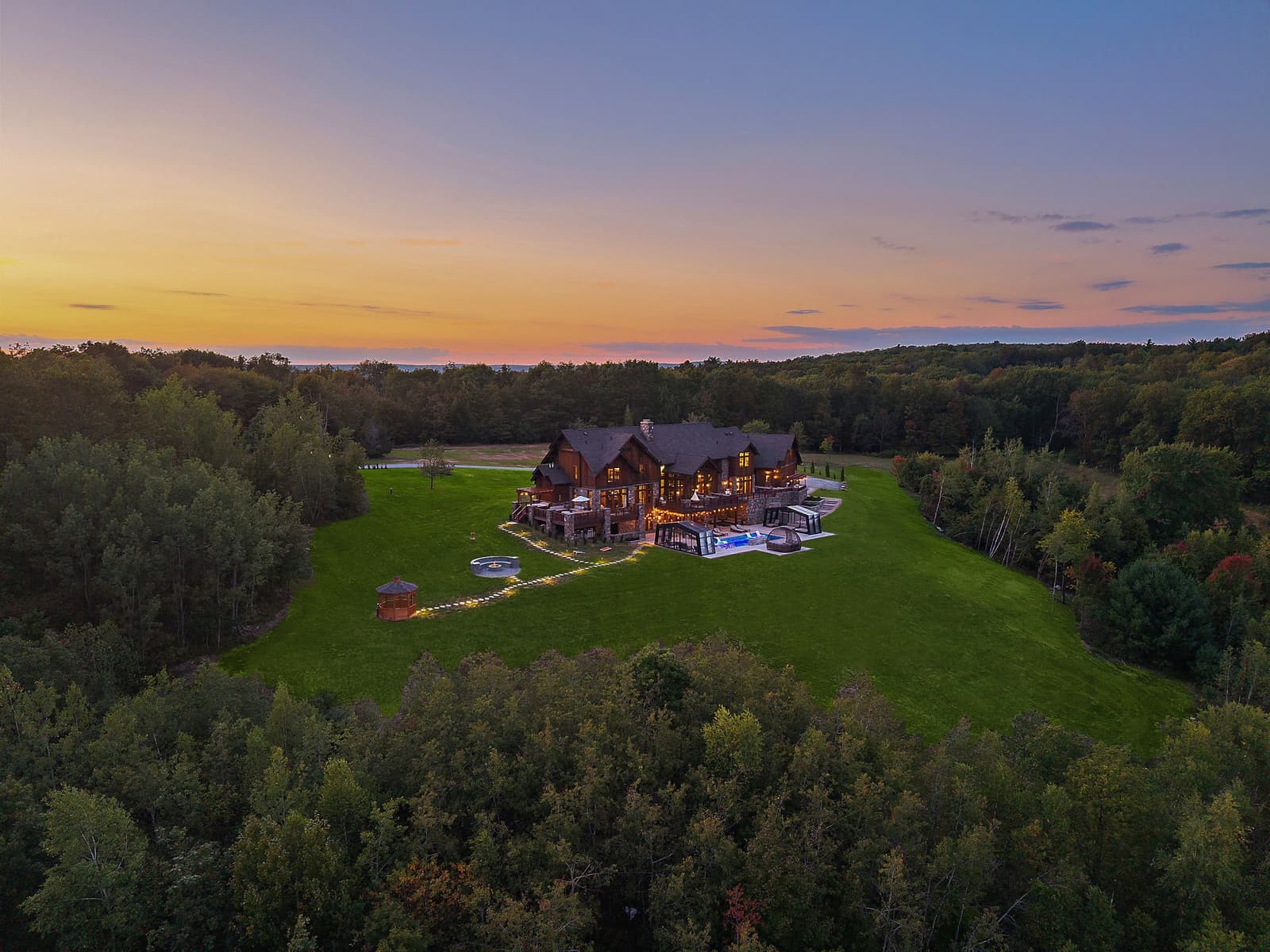
I've reviewed hundreds of venues for multi-day celebrations. The following properties are specifically designed for the wedding weekend format, with enough bedrooms, celebration space, and privacy to make the logistics work. Here's your shortlist, organized by what you're looking for.
For Large Groups (80+ Guests On-Site)
Florida Keys Wedding Village - 26 villas sleeping 260 guests, events up to 600, starting at $7,500 for 2-night minimum. This is the ultimate large-scale wedding weekend. Imagine your entire guest list staying in a private village in the Keys. I've never seen anything comparable at this price point. Browse more Southeast weekend venues.
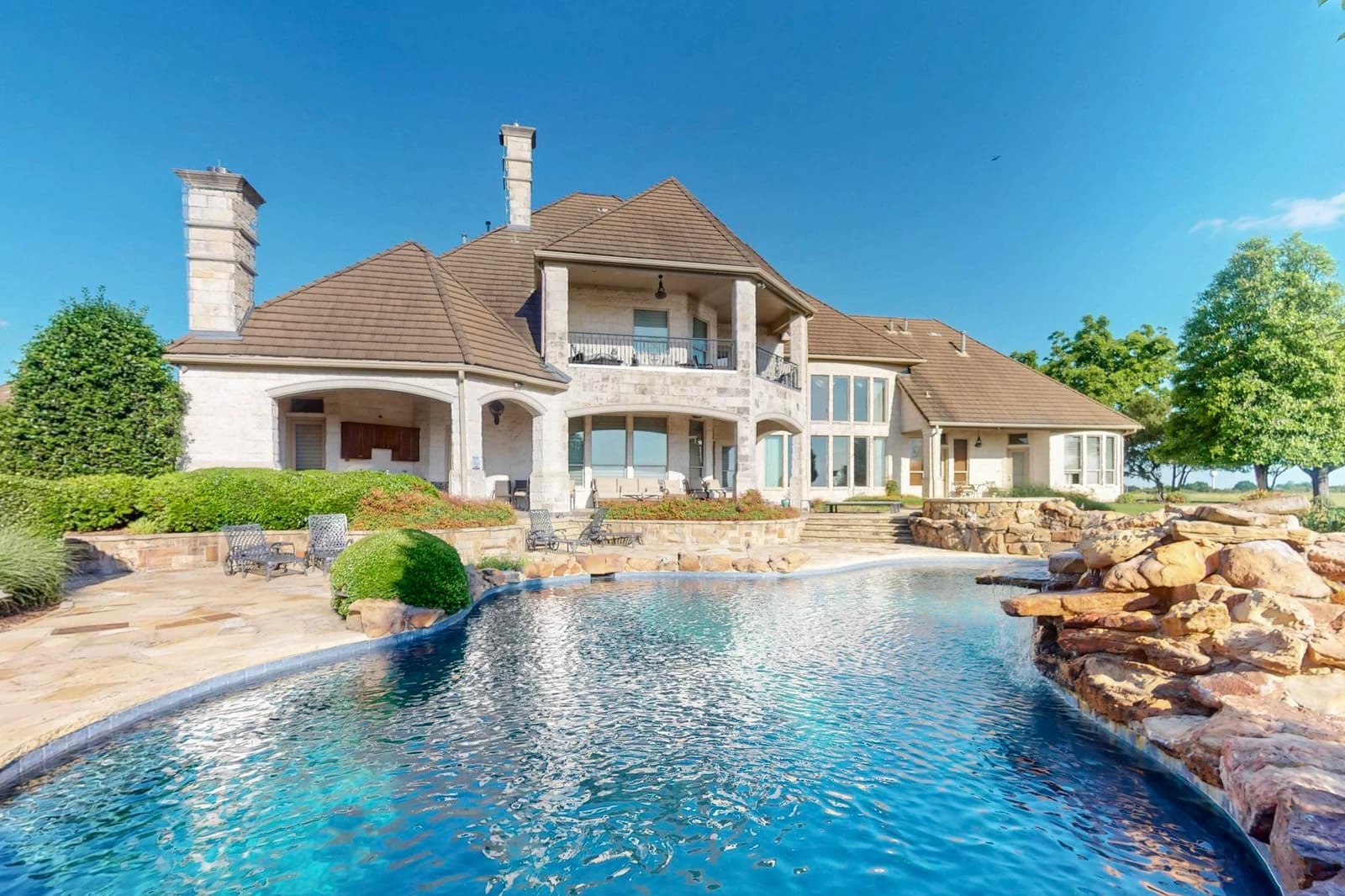
Texas Wedding Village - 14 cabins sleeping 84, events up to 300, starting at $5,000 for 2-night minimum. Canyon Lake setting with pool and dedicated event spaces. The cabin format naturally creates neighborhoods within the wedding weekend, which solves the "large group, small conversations" problem. Find more Texas Hill Country venues.
For Mid-Size Celebrations (30-75 Guests)
40-Acre San Diego Luxury Resort - Sleeps 40, events up to 150, starting at $8,000 for 2-night minimum. Pool, jacuzzi, gym, yoga studio. Basically a private resort. The activity problem solves itself when your venue has this many amenities. Explore the Pacific Coast collection.
Costa Rica Jungle Wedding Villa - Sleeps 44, events up to 150, starting at $8,000 for 2-night minimum. Rooftop deck, 4 bars, sweeping views. If you're considering a destination wedding weekend, this is the standard I measure others against. The 4-day extended template was practically designed for a property like this. More international weekend venues.
Georgia 80-Acre Estate - 4 homes, 12 suites, sleeps 30, events up to 250. Starting at $8,000 for 2-night minimum. The multi-home compound format is the gold standard for wedding weekends. Wedding party in the main house, families in the guest homes, the newlyweds get the cottage. Everyone together, nobody on top of each other.
For Intimate Weekends (Under 30 Guests)
Nashville Estate - 14,000 sq ft with event barn, sleeps 24, events up to 50, starting at $10,500 for 2-night minimum. Rolling hills outside Franklin, Tennessee. Southern charm without the pretension. The event barn handles ceremony and reception while the main house handles everything else.
Chianti Castle - In the heart of Chianti wine country, sleeps 18, events up to 300, starting at $6,500 for 2-night minimum. A Tuscan castle for a wedding weekend. The 4-day extended format works beautifully here: arrive Thursday, settle in Friday, celebrate Saturday, farewell brunch with vineyard views on Sunday.
NJ/NY Estate - Pool, hot tub, pickleball court, sleeps 23, events up to 300, starting at $12,500 for 2-night minimum. Easy New York City access. For Northeast couples who want to escape the city without asking guests to fly anywhere. Also check out Midwest weekend options.
Month-by-Month Planning Checklist
After 200+ wedding weekends, this is the timeline that prevents disasters. Every failure on my first wedding weekend became a permanent line item on this checklist.
12 Months Out
- Set total weekend budget (use the cost calculator)
- Begin venue research (prioritize multi-day wedding venues)
- Send save-the-dates noting multi-day format
- Book photographer (multi-day photographers book early)
9 Months Out
- Secure venue and sign contract
- Book caterer with multi-day experience
- Begin transportation research
- Create wedding website with weekend schedule
6 Months Out
- Send formal invitations
- Book remaining vendors (DJ, florist, officiant)
- Plan welcome dinner menu
- Reserve hotel room blocks for overflow guests
- Begin activity planning
3 Months Out
- Finalize all vendor contracts
- Confirm transportation logistics (shuttles, parking)
- Order welcome bag supplies
- Create detailed day-of timelines for each day
- Assign point person responsibilities
1 Month Out
- Final venue walkthrough
- Confirm all vendor arrival times and setup requirements
- Assemble welcome bags
- Create emergency kit (sewing kit, stain remover, phone chargers, first aid)
- Send final communication to guests
1 Week Out
- Deliver welcome bags to venue (or ship)
- Confirm final headcount with all vendors
- Print and distribute weekend timeline to wedding party
- Charge all devices, backup playlists, print ceremony script
- Breathe. You've planned well. Trust the plan.
Use the complete WedStay planning checklist alongside this timeline for comprehensive coverage.
Frequently Asked Questions
How much more does a wedding weekend cost compared to a traditional wedding?
Based on my 200+ events, expect roughly 40% more total spend. But cost per experience hour actually decreases. A $45,000 weekend delivers significantly more value than a $32,000 single-day event when measured by guest satisfaction and total celebration time. Check out how WedStay works for transparent pricing on all venues.
Who pays for the wedding weekend activities and meals?
The couple typically covers the venue, ceremony, reception, and farewell brunch. Welcome dinner is usually hosted by the couple or parents. Activities are often split: the couple provides lawn games and on-site entertainment, while off-site excursions (spa, golf, winery) are guest-pay. Be clear about this in your wedding website.
How do I handle guests who can only attend part of the weekend?
Common and totally fine. About 30% of guests at my wedding weekends attend Saturday only. Make sure your invitation clearly notes which events are "all weekend" versus "Saturday ceremony and reception." Arrange transportation for Saturday-only guests separately.
What if it rains during an outdoor weekend?
This is why indoor space is on my must-have list. You need a weather backup for every single outdoor event. Not just the ceremony. The welcome dinner, the activities, the brunch. Build contingency plans before you need them, not while it's raining. Read our existing guide on crafting the perfect wedding weekend experience for more weather planning tips.
Do I need a planner for a wedding weekend?
In 200+ events, the only weekends that ran smoothly without a coordinator had fewer than 25 guests and a couple where at least one partner had event planning experience. For everyone else, yes. A multi-day coordinator is worth every dollar. They handle the problems you don't even know are problems yet.
Where can I find a checklist specific to wedding weekends?
WedStay has a dedicated wedding weekend checklist guide that covers the unique logistics of multi-day celebrations.
The Final Briefing
Eight years in Army logistics taught me one thing that transfers perfectly to weddings: the plan is nothing, planning is everything. Your timeline will shift. A vendor will be late. The weather won't cooperate. But if you've thought through the contingencies, built in the buffers, and communicated clearly with your guests, the weekend will be remarkable.
I tell every couple the same thing on our first call: a wedding weekend is not three separate events. It's one continuous operation with multiple phases. Treat it that way. Plan it that way. And when you're sitting at that Sunday brunch, watching your favorite people laugh together over coffee and scrambled eggs, you'll understand why I still get emotional about farewell brunches after 200+ weekends.
The logistics are solvable problems. The memories are the whole point.
🎯 Ready to Find Your Wedding Weekend Venue?
Browse multi-day wedding venues on WedStay with transparent pricing and direct host communication. Every property shows real costs upfront so you can budget confidently for the entire weekend.
Explore Wedding Weekend Venues on WedStay
Ready to Find Your Dream Venue?
I know how overwhelming venue hunting can be (trust me, I've been there!). That's why I created this free tool to cut through the confusion:
Try Our Free Wedding Venue Cost Calculator
- Wedding Venue Cost Calculator
- No email required - get instant results!
More resources you'll love:
- A Private Estate Wedding House Just Outside Nashville, Complete with an Event Barn, Scenic Views, and Room to Celebrate All Weekend Long
- Swipe Right for Your Dream Wedding Venue: How WedStay's Revolutionary Venue Matcher Changes Everything
- Palm Springs Wedding Estate with Retro Pool Vibes + Hollywood History: Your Multi-Day Celebration Destination
Happy planning! 💕
Sources
1. How to Plan Your Wedding Day Timeline: Streamlining the · brides.com
2. Wedding Checklist · theknot.com
3. 16 Backyard Wedding Ideas on a Budget, Straight From the Pros · theknot.com
4. The Etiquette of Wedding Rehearsal Dinners · marthastewart.com