Weekend Wedding Venue Rentals in 2026: Full Guide

Weekend wedding venue rentals let you book one private estate for two or three days, sleep your inner circle onsite, and run the welcome dinner, the ceremony, the reception, and the Sunday breakfast all in the same place. That is the whole pitch, and it holds up. The reason it works is not romance. It is logistics: nobody drives, nobody checks out at 11am, and your vendors load in once instead of three times.
I ran catering for a major hotel chain for six years before I went independent and started consulting on private estate weddings. So I have watched both versions of this up close. The hotel version has a loading dock, a walk-in cooler, and a banquet chef who has done this 400 times. The estate version has a residential kitchen, a two-car garage, and a couple who assumed the house came with staff.
Both can be great. Only one of them will surprise you at 4pm on a Saturday.
This guide covers what you are actually renting, what it costs in 2026 with real numbers, and the operational stuff that determines whether Aunt Linda has a good time or spends Saturday looking for a bathroom.
Quick Navigation
- Weekend Wedding Venue Rentals in 2026: Full Guide
- What You Are Actually Renting
- What Weekend Wedding Venue Rentals Cost in 2026
- Three Real Rentals and What They Cost
- What to Confirm Before You Pay the Deposit
- The Kitchen Problem Nobody Checks Before Booking
- Feeding a Weekend: Five Meals, Not One
- The Bar Math for a Three-Day Rental
- Your Friday to Sunday Guest Experience Timeline
- Guest Logistics From Save the Date to Sunday Checkout
- Power, Noise, and the Boring Stuff That Ends Parties
- The Rental Weekend Mistakes I See Most
Key Takeaways
- Weekend estate rentals collapse venue and lodging into one line, with two-night totals running $4,000 to $25,000+ depending on tier.
- The Knot's 2026 study of 10,474 couples put average wedding cost at $34,200, or $292 per guest across 117 guests.
- A 100-guest mid-tier estate weekend adds roughly $30,000 in catering, rentals, bar, staff, and coordination on top of the $7,000 to $12,000 rental.
- Rental estates supply no commercial kitchen, staff, chairs, restrooms, or power, so a house with one oven cannot plate hot food for 120.
- Sleeping capacity and event capacity are separate numbers, as with the Dale Hollow Lake estate at $11,288 that sleeps 20 and hosts 150.
Weekend Wedding Venue Rentals in 2026: Full Guide
Here is the short version, because I know some of you are skimming and I respect that.
A weekend wedding venue rental is a private property, usually an estate or a large home on acreage, booked for a minimum stay of two nights (some properties require three). You get exclusive use of the grounds and the house. Your closest people sleep in the bedrooms. Everyone else stays nearby and drives in. The ceremony happens on the lawn, in the atrium, or under a tent. The reception happens wherever you put the dance floor. Nobody is rushing you out at midnight because there is no next event on the calendar.
What you do not get, by default, is a venue's infrastructure. No commercial kitchen. No in-house catering team. No banquet manager who knows where the extra tables live. That is the trade. You are buying time, privacy, and control, and you are taking on the operations yourself or hiring them in.
The financial case is real. The Knot 2026 Real Weddings Study, which surveyed 10,474 US couples married in 2025, put the average wedding cost at $34,200 and the average cost per guest at $292, with an average guest count of 117. Zola's 2026 First Look Report has the average at $36,000, holding steady for a second year. When a rental total covers three days of venue access plus lodging for 14 to 20 people, you are collapsing two line items into one. That is where the savings live, not in some magic discount.
The Knot Worldwide's 2026 trend reporting found couples stretching celebrations across multiple days, with welcome parties, rehearsal dinners, and Sunday brunches getting real budget instead of leftovers. A weekend rental is the natural container for that. One address, five meals, zero shuttles between them.
Okay, so. Details.
What You Are Actually Renting
This is the mental shift that saves people the most grief: you are renting a house that permits events, not a venue that happens to have beds.
The difference shows up in a hundred small ways. A venue has a service corridor so the catering team does not walk trays through your cocktail hour. A house has a hallway. A venue has 200 chairs in a storage room. A house has twelve, and four of them are the good dining chairs the owner does not want outside.

What a good weekend rental typically does include:
- Exclusive use of the grounds and the house for the length of the booking, so there is no other party, no other couple, no shared parking lot.
- Overnight accommodations for a set number of people, usually the wedding party and immediate family.
- Designated event space, indoor or outdoor or both, with a stated ceremony and reception capacity that is separate from the sleeping capacity.
- Basic amenities like pools, fire pits, game rooms, and lawns, which quietly do a lot of your entertainment programming for you.
- Event insurance and a stated event policy on the better-run platforms, which matters more than it sounds like it does.
What it does not include, and what you will be sourcing yourself:
- Catering, staff, and rentals (tables, chairs, linens, glassware, china).
- A coordinator, unless the listing says otherwise.
- Restrooms beyond the household bathrooms, which is a real number you should count.
- Power capacity for commercial equipment.
The single most useful question you can ask a host is not "can we have a wedding here." It is "walk me through what the last wedding here looked like." Hosts who have done this will answer in specifics: where the caterer set up, where the tent went, where guests parked. Hosts who have not will answer in vibes. Either way, get the event permission in writing before you pay anything, because plenty of short-term rentals ban events outright and carry no insurance for them.
What Weekend Wedding Venue Rentals Cost in 2026
Real talk: the number you see on the listing is a starting total for a minimum stay, not a per-person figure, and not a nightly rate. WedStay quotes totals for a two-night minimum (some properties require three), which is the honest way to do it because nobody rents a wedding estate for one night.
For 2026, private estate weekend rentals in the US generally land in these bands:
| Rental tier | Typical total for a 2-night minimum | Usually sleeps | Ceremony capacity |
|---|---|---|---|
| Entry | $4,000 to $7,000 | 10 to 14 | 75 to 125 |
| Mid | $7,000 to $12,000 | 14 to 20 | 100 to 150 |
| Premium | $12,000 to $25,000+ | 20 to 40 | 150 to 300 |
Now the part people underbudget. The rental is one line. Here is roughly how a 100-guest weekend at a mid-tier estate actually stacks up:
| Line item | Typical range | Notes |
|---|---|---|
| Estate rental (2-night minimum total) | $7,000 to $12,000 | Includes lodging for 14 to 20 |
| Catering | $8,000 to $12,000 | The Knot puts catering at $80 per person; Zola's average total is $6,927 for a single reception |
| Rentals (tables, chairs, linens, china, glassware) | $3,500 to $7,000 | The line that shocks rental-venue couples |
| Bar and beverage | $2,500 to $5,000 | See the bar section, it is its own animal |
| Staff (servers, bartenders, kitchen support) | $2,500 to $5,000 | You are hiring the labor a venue would bundle |
| Coordinator | $2,500 to $6,000 | Non-negotiable at a rental, more below |
| Restroom trailer | $1,200 to $3,500 | If your guest count outruns the household bathrooms |
| Power (generator) | $500 to $2,000 | If catering brings hot boxes and the DJ brings a rig |
| Welcome dinner and Sunday breakfast | $2,000 to $5,000 | The two meals that never make the first budget |
Note that catering figure. The Knot's 2026 data puts catering, cake, and drinks at 24 percent of the average wedding budget, which is the largest single slice. At a rental, that percentage tends to run higher, because you are also paying for the equipment and staff the caterer would otherwise borrow from a venue.
Confession time: I have built budgets that missed the rentals line. Not "underestimated it," missed it. Early in my consulting years I priced a 120-guest estate weekend and quietly assumed the house's furniture would cover seating, because the listing photos had a very convincing long dining table. It seated fourteen. The couple found out eleven days before the wedding. We got the chairs. I have never forgotten the chairs.
Three Real Rentals and What They Cost
Abstract ranges are useless without anchors, so here are three actual WedStay properties at three price points.
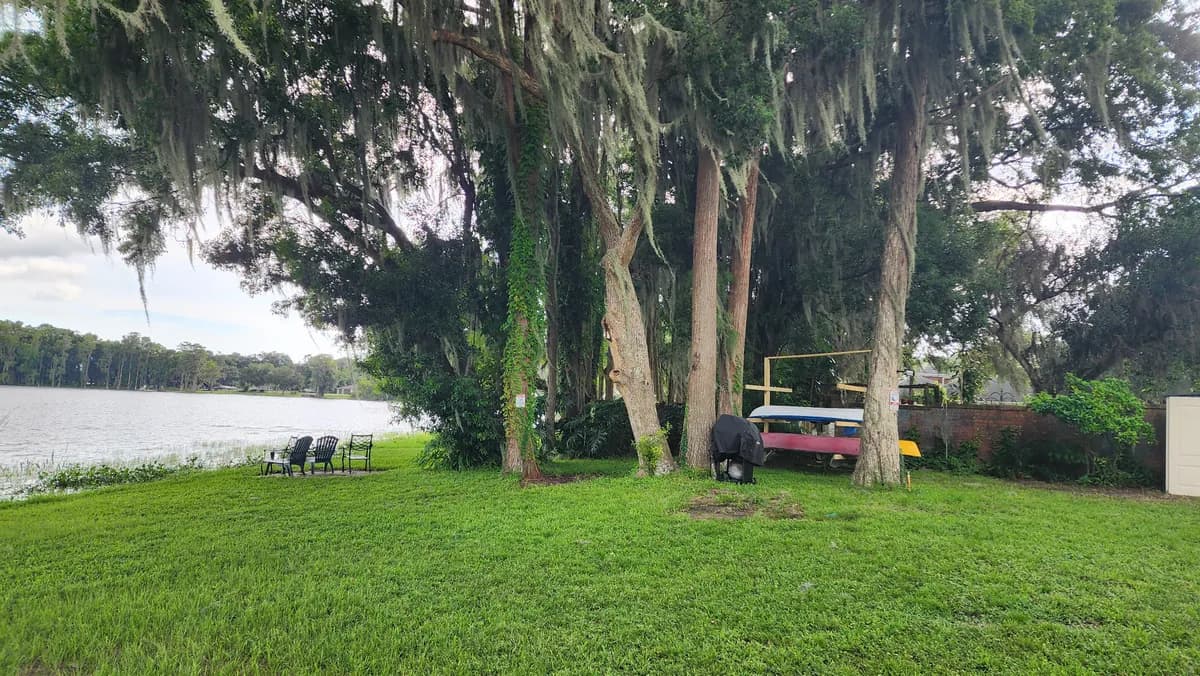
Entry: Texas Meadow View Estate near Dallas in Forney, Texas. Four and a half private acres, a carriage home, pool, fire pit, and an indoor event hall with exposed steel beams. Sleeps 14. Starting at $5,775 for a two-night weekday minimum. The indoor hall is the thing here: a rain plan that is an actual room, not a tent you hope you do not need.
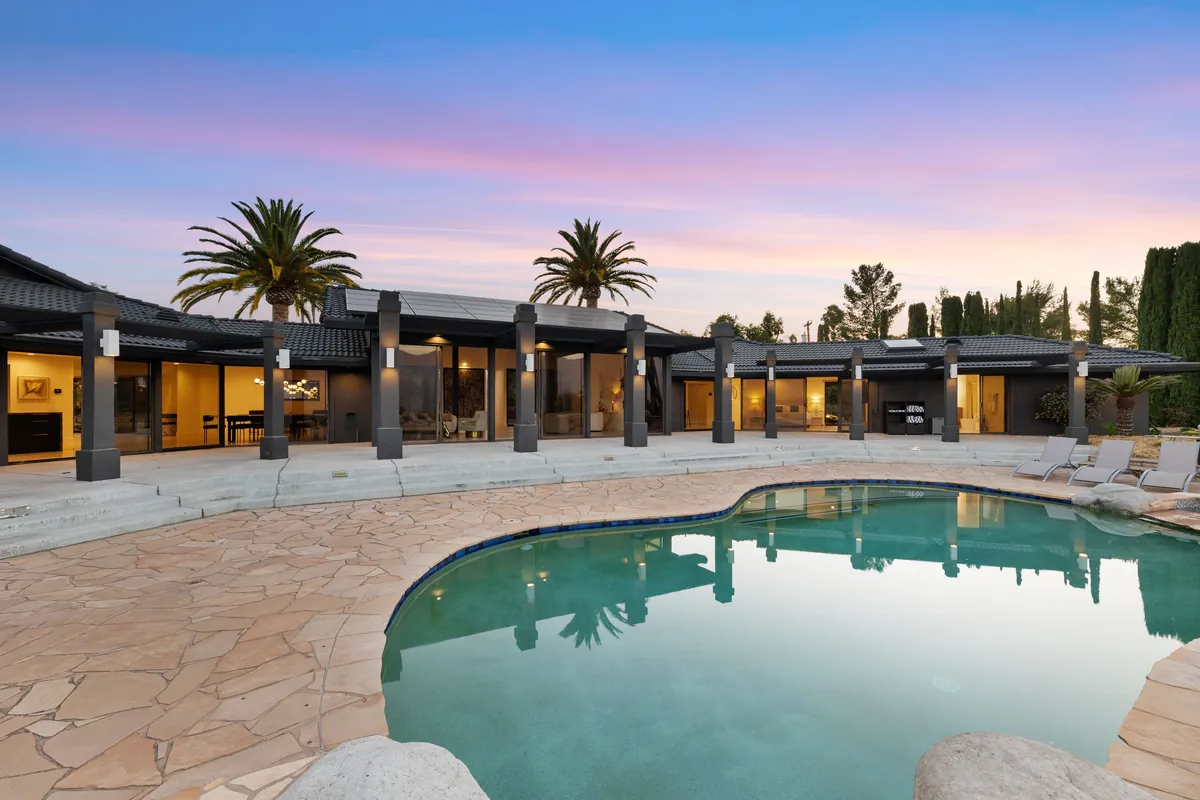
Mid: a 65-acre contemporary lake estate in Monrovia, Indiana. Sleeps 16, hosts up to 150 for ceremonies, and has a sunlit atrium with a heated resort-style indoor pool. Starting at $7,875 for a two-night weekday minimum. Sixty-five acres means your noise problem is mostly solved by geography.

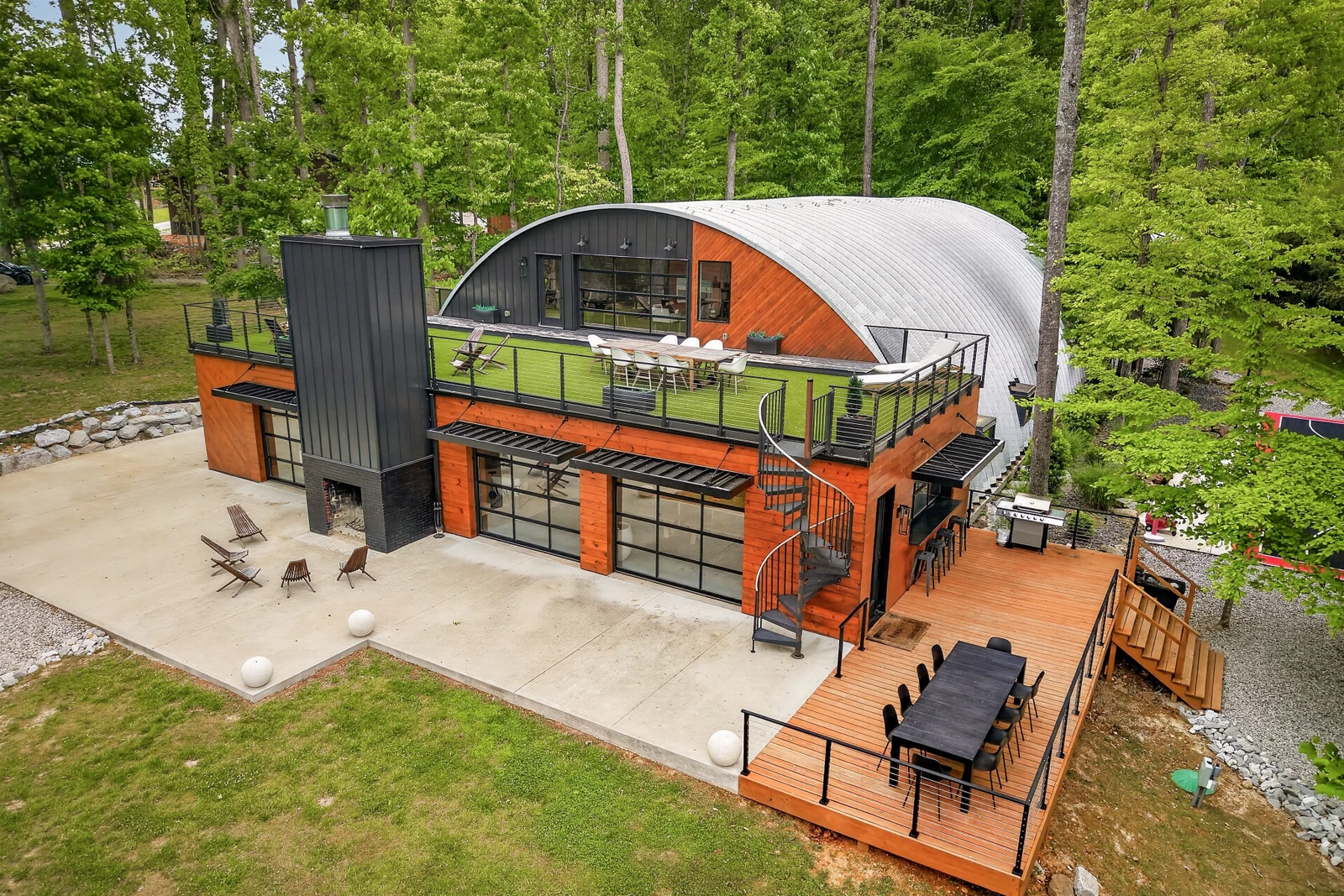
Premium: the Dale Hollow Lake resort-style estate near Monroe, Tennessee. Seven bedrooms sleeping 20, hosts up to 150, with a rooftop terrace, sports bar, theater, and basketball court. Starting at $11,288 for a two-night weekday minimum, and that booking includes the estate rental, event space and amenity access, overnight accommodations, and event insurance.
Look at what the premium tier buys beyond square footage: a sports bar and a theater are guest programming. That is Saturday morning handled without you booking a single activity. From an operations standpoint, amenities that entertain people are worth more at a three-day event than another 2,000 square feet of lawn.
Weekend dates price higher than weekday minimums across the board, so treat every number above as the floor. And if you are comparing regions, WedStay's estate wedding venues collection is the fastest way to see the spread without opening thirty tabs.

What to Confirm Before You Pay the Deposit
Ten questions. Get the answers in writing, in the booking thread or the agreement, not in a phone call you half remember.
- What is the event capacity, and is it different from the sleeping capacity? These are two separate numbers and people conflate them constantly. Sleeps 16, hosts 150 is a normal and correct listing.
- What time does event access start and end each day? You need the property Friday morning for load-in, not Friday at 4pm check-in.
- What is the music cutoff and is it contractual or a local ordinance? A host preference can be negotiated. A county ordinance cannot.
- Is there a separate event fee on top of the rental total? Some properties have one. Better to know now.
- What does the event insurance cover and what do we still need? Many hosts require a policy naming them as additional insured, and your caterer and bartender need their own.
- Where do vendors park and load in? Ask for the actual path. If the caterer has to carry hot boxes 200 feet across grass, your food temperature is now a problem.
- How many working bathrooms are there, and are guests allowed inside the house? Some hosts restrict guests to the grounds. That changes your restroom math instantly.
- What is the power situation at the event area? Amps, outlet locations, and whether there is a dedicated circuit.
- What happens if it rains? Point at the specific indoor space and get its capacity.
- What is the damage deposit and what triggers a claim? Ask specifically about lawn damage from tent stakes and heels, because that is the most common one.
I would add an eleventh, and it is the one couples skip: can we do a walkthrough with our caterer and coordinator before the final payment? A good vendor will spot in ten minutes what you will not spot in three visits. My walkthrough list is short and boring: where is the closest hose bib, where is the ice going to live, where does trash go, and how far is the nearest outlet from where the chafers will sit.
The Kitchen Problem Nobody Checks Before Booking
Here is where I get opinionated, because this is my lane and it is the single most common failure point at rental weddings.
The kitchen reality is that a residential kitchen is not a catering kitchen, and pretending otherwise is how you get cold chicken for 120 people.
A house kitchen typically has one oven (maybe two), a residential fridge, one dishwasher, and a single sink. A catering operation for 100 guests needs holding capacity for roughly 100 hot entrees, cold storage for the salads and the desserts and the cake, and a staging surface long enough to plate on. Your beautiful marble island is 8 feet. A plating line for 100 wants 20.
What actually happens at a well-run estate wedding is that the caterer brings their own infrastructure: propane hot boxes, folding prep tables, ice chests, and a portable handwash station. The house kitchen becomes a staging area, not a production kitchen. That is the correct model, and when you interview caterers, the ones who ask about the kitchen before they ask about the menu are the ones who have done estates before.
Questions to ask your caterer, in order:
- Have you worked a private estate or rental property before? Which ones?
- What equipment do you bring versus what do you need onsite?
- How much prep space do you need, and is a garage or covered patio acceptable?
- What is your plan for keeping food at temperature across a 45-minute photo window?
- Where does your trash and grease go, and are you hauling it out?
That last one is not glamorous and it will absolutely come up. Most rental agreements require the property to be left as found, and a residential trash bin does not absorb the waste from a 100-person dinner. Rent a dumpster or confirm your caterer hauls out. I have seen a damage deposit disappear over garbage. Not a fun conversation.
One more thing. Menu design should follow the kitchen, not fight it. Family-style service is the estate wedding cheat code: fewer plates leaving the kitchen at once, less hold time, less staff needed on the floor. I switched a plated dinner to family-style at an estate wedding once and the energy in the room completely changed. People were passing dishes, talking over each other, laughing. Plated is precise. Family-style is warm. At a house, warm wins.
Feeding a Weekend: Five Meals, Not One
This is the budget line that gets discovered late, so let me put it plainly. A Friday-to-Sunday wedding weekend is not one catered meal. It is five feeding moments, minimum:
- Friday welcome dinner (usually 40 to 70 percent of your guest list, whoever is in town)
- Saturday breakfast for whoever slept onsite
- Saturday cocktail hour
- Saturday dinner and reception
- Sunday breakfast or brunch before checkout
Plus, and I cannot stress this enough, Saturday lunch for the people getting ready. Ten hours of hair, makeup, and photos with no food is how you get a lightheaded bridal party and a groomsman who peaked at 3pm. Order sandwiches. Twelve dollars a head. It is the highest return line in the entire budget.
You do not need to cater all five professionally. A sane split for a mid-tier weekend:
- Friday welcome dinner: catered casual or a local food truck. Taco truck, pizza oven, barbecue. Budget $25 to $45 per person.
- Saturday breakfasts: grocery run and a big coffee setup. The house has a kitchen for exactly this. Budget $200 to $400 total.
- Saturday lunch: sandwich platters delivered. $150 to $300.
- Saturday reception: the full catered event, $80 or more per person.
- Sunday brunch: bagels, fruit, breakfast casseroles you prepped Friday, or a caterer's simplest package. $12 to $30 per person.
Two things I have learned the hard way about weekend appetite. First, guests eat more on day two than day one, because day one they are polite and day two they are family. Second, I once calculated that the average wedding guest eats six appetizer pieces during cocktail hour while couples budget for four. That gap is exactly why the bruschetta runs out at minute nine. At a weekend event, with people who have been drinking since Friday, plan for seven.
I catered a 250-person wedding once where the couple wanted both a taco bar and a sushi station. The kitchen coordination was genuinely a nightmare and I said so at the time. Guests rated it the best wedding food they had ever had. So I am not going to tell you to play it safe. I am going to tell you to make the ambitious choice on ONE meal and keep the other four simple.
The Bar Math for a Three-Day Rental
A venue bar has a defined start and stop. A house bar is open from the moment the first car arrives Friday until somebody takes the speaker away Saturday night. That is roughly 30 hours of availability, and your quantities need to reflect it.
Working numbers for a 100-guest weekend:
- Friday welcome: figure 2 drinks per person over three hours.
- Saturday cocktail hour: 2 drinks per person, this is the peak rate hour.
- Saturday reception: 1 drink per person per hour for the first two hours, then it tapers.
- Total weekend: budget 12 to 15 drinks per guest across the entire weekend, not per event.
Buy on consumption where you can, and buy beer and wine heavy. At estate weddings the drink mix skews toward beer, wine, and one or two batched cocktails, because there is no full backbar and nobody wants to wait while a bartender builds an old fashioned for 100 people. Batch two cocktails, name them after the couple's dog, done.
Three operational notes that matter more at a rental than at a venue:
Ice. Nobody plans for ice. At a house there is no ice machine, just a freezer with a tray. For 100 guests over a weekend you need something like 200 to 300 pounds. Buy it Saturday morning, store it in coolers, and assign one person to it. That person is now the most important person at the wedding.
Licensed bartenders. Not your cousin. A licensed and insured bartender is $200 to $400 for the event and they carry liability. At a private property, where the host's insurance and yours are both in play, this is not the place to save money.
Water. Put water stations everywhere. Outdoors, in summer, with a three-day drinking schedule, hydration is the actual difference between a great Sunday brunch and a very quiet one.
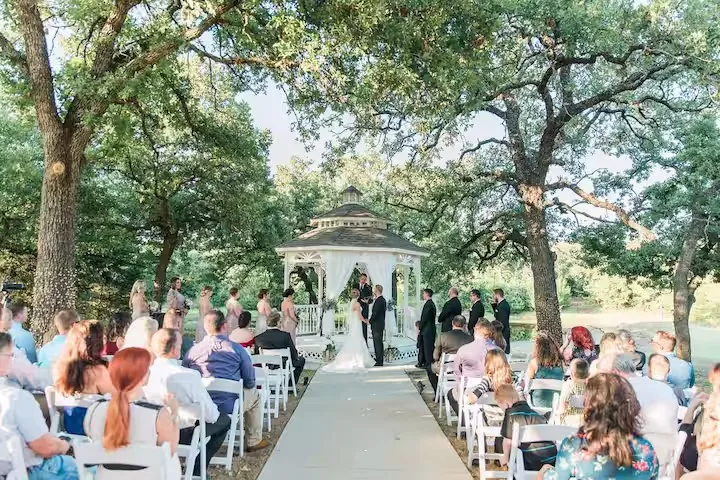
Your Friday to Sunday Guest Experience Timeline
I am going to give you this as a hospitality flow rather than a task list, because the tasks vary and the flow does not.
Friday morning. You and the coordinator take the property. Vendors start loading in. This is why event access hours matter more than check-in time. Tent goes up, restroom trailer gets placed, the rental company drops tables and chairs.
Friday afternoon. Wedding party arrives, claims rooms, and finds out who is sharing a bathroom. Post the room chart on the fridge. Seriously. It prevents forty text messages.
Friday evening. Welcome dinner and rehearsal. Keep this loose and keep it early enough that people sleep. The trap here is treating Friday like a second reception. It should end by 10pm. Every hour past 10 on Friday costs you two hours of Saturday energy.
Saturday morning. Breakfast out on a counter, coffee running continuously, and the getting-ready spaces claimed. This is the hour to send the ice person for ice.
Saturday midday. Vendor arrivals stack up. Caterer, florist, DJ, photographer, all wanting the same driveway. Your coordinator staggers these in 30-minute windows. Without a coordinator this is chaos, which is why I said the coordinator line is non-negotiable.
Saturday afternoon. Ceremony. Then, and here is the operational note, do not leave a 45-minute gap between ceremony and reception for photos with nothing programmed. I watched 200 hungry guests demolish a cocktail hour appetizer spread in twelve minutes flat because of exactly that gap. If you need the photo window, feed them properly during it. Passed apps plus a stationary board, not a bowl of almonds.
Saturday evening. Dinner, toasts, dancing. Late-night food around 10pm if you are going past midnight. At a house, late-night food is easy and cheap: the caterer leaves it, or you have pizzas delivered.
Saturday night. Music cutoff. The party moves inside or to the fire pit. This is why the fire pit is on every listing. It absorbs the after-party.
Sunday morning. Brunch, slow, no schedule. Then the part nobody plans: cleanup and checkout. Assign this Friday, to specific named people, or it lands on the couple at 10am on Sunday. Rentals get picked up, trash goes out, the house gets reset. Build two hours in.
Guest Logistics From Save the Date to Sunday Checkout
Your guests are making a bigger commitment than a Saturday afternoon, so your communication has to do more work.
Save the dates, 10 to 12 months out. Say the words "wedding weekend" on it. People need to know they are booking travel and lodging for multiple nights, not an evening.
Wedding website, 8 months out. This is the real logistics hub. It needs: the full weekend schedule with times, what is optional versus expected, the lodging block or nearby options, driving and parking details, and what to wear for each event. Weekend weddings live or die on the dress code question, because "what do I pack" is genuinely harder than "what do I wear."
Who sleeps onsite. The property sleeps 14 to 20. Your guest list is 100. So be explicit and be early: the house is for the wedding party and immediate family, and everyone else has hotel options 15 to 25 minutes away. Say it in writing once and you avoid every awkward conversation later.
Transportation, 3 months out. If the bar is open and guests are driving back to a hotel on a rural road, you need a shuttle. Two runs, one at the music cutoff and one an hour later. This is $600 to $1,500 and it is the cheapest insurance you will buy all weekend.
Accessibility. Estates are often old, hilly, and gravel-heavy. Check the path from parking to ceremony to restroom for anyone using a wheelchair, a walker, or just bad knees. Ask the host for a hard-surface route and a drop-off point close to the ceremony. Nobody should have to ask you for this.
Final details email, 1 week out. Address with the specific gate or driveway instructions, arrival windows, and a phone number that is not the couple's. Give people a coordinator's number. On the day, the couple should be unreachable and that should be by design.
Power, Noise, and the Boring Stuff That Ends Parties
Two things end estate weddings early: a breaker and a neighbor.
Power. A residential property is wired for a family, not a production. Your DJ rig, the catering hot boxes, string lighting, and a coffee urn on the same circuit is a tripped breaker in the middle of the first dance. Before you book, ask where the event-area outlets are and what they are rated for. Then have your DJ and caterer state their draw. If the total is uncomfortable, rent a generator for $500 to $2,000 and place it far enough away that nobody hears it. Quiet generators exist and cost slightly more. Get the quiet one.
Noise. Amplified sound outdoors at a private property is governed by the county, not by your host's goodwill. Find the local ordinance yourself. Common cutoffs are 10pm or 11pm. Plan the timeline backward from that number and, if the cutoff is early, move the last hour inside. An indoor space, like the Texas Meadow View Estate's indoor event hall, turns an early cutoff from a disaster into a room change.
Neighbors. If the property has any, and many do not, a note or a bottle of something nice a week ahead is worth its weight. Complaints to a sheriff's non-emergency line are the number one cause of a shut-down reception at a private property.
Water and septic. Rural estates are often on well and septic. A hundred guests using household bathrooms all day is a load the system was not designed for. This is the actual argument for a restroom trailer, more than luxury: it protects the septic system and your damage deposit at the same time.
Weather. Have the rain plan decided, not discussed. That means a specific room or a tent on hold with a decision deadline, usually 72 hours out, in writing with the tent company.
The Rental Weekend Mistakes I See Most
Booking on sleeping capacity instead of event capacity. Sleeps 20 does not mean hosts 200. Check both numbers before you fall in love.
Skipping the coordinator. At a traditional venue there is staff who knows the building. At a rental there is nobody. The coordinator IS the venue staff. Cutting this line to save $3,000 means the couple's mother becomes the coordinator, and she will not enjoy it.
Assuming furniture counts as seating. See: the chairs. Get the rental quote before you sign the property agreement, not after.
Treating Friday like a second wedding. Big Friday, wrecked Saturday. Every time.
Underfeeding the middle of the day. Cocktail hour is not lunch. Getting ready is not a diet.
Forgetting cleanup. Assign it Friday to named humans. The couple should not be dragging a trash bag across a lawn on Sunday morning in a hoodie.
No point person other than the couple. Put someone else's phone number on everything.
Weekend wedding venue rentals work because they give you the one thing a venue cannot sell you, which is unhurried time with the people you actually like. But that time only feels effortless if somebody did the operations work in advance. Do the boring parts early, hire the coordinator, respect the kitchen, and buy more ice than you think you need. Then go have a very good three days.
Free Tools for Your Wedding Weekend
Planning a wedding at a private estate or vacation rental? These free tools are built specifically for non-traditional venues.
🎯 Start PlanningWedding Venue Cost Calculator, Real pricing data from 100+ wedding properties. Compare all-inclusive estate costs vs. traditional venues.Browse Vetted Vendors, Vendors who specialize in estate, vacation rental, and backyard weddings. 4.9-star average, vetted and monitored.Wedding Weekend Planning Guide, Multi-day celebration timeline, guest coordination, and 100+ weekend venues from $8,000.Get the Free WedStay App, browse venues, plan, and book on the go.
Related guides:
- The Complete Wedding Weekend Planning Guide: 3-Day Timeline, Budget, and Logistics
- Estate Wedding vs Hotel Wedding: We Compared 30 Real Budgets and Found a $22K Difference
- Dallas Fort Worth's Ultimate Wedding Weekend Estate
Frequently Asked Questions
Is a $10k budget realistic for a small wedding at a rental property?
You can, but only at properties that explicitly permit events, and $10k works at a small scale, roughly 30 to 50 guests, not 100. At 100 guests the numbers in this guide put you well past $25k once catering, rentals, staff, and a coordinator land. To make $10k work, book an entry-tier property in the $4,000 to $7,000 range for the two-night minimum, keep the guest list tight enough that household bathrooms cover it, and skip the restroom trailer and generator. Family-style or buffet catering instead of plated service is where the rest of the savings come from.
Can you host a wedding at a vacation rental or cabin, and what should you know before doing it?
Yes, and the thing to know first is that plenty of short-term rentals ban events outright and carry no insurance for them, so get written permission before you pay anything. After that, the operational questions matter more than the photos: event capacity versus sleeping capacity, load-in access times, the music cutoff and whether it is a host preference or a county ordinance, bathroom count, and power at the event area. Cabins add a specific risk, which is a long gravel driveway your caterer cannot back a van down.
How many guests can you have at an estate rental before you need a restroom trailer?
Rough rule from the operations side: count working bathrooms, then assume roughly 35 to 50 guests per bathroom for a four to five hour reception. A house with three usable bathrooms handles about 100 to 150 if guests are allowed inside. The trap is hosts who restrict guests to the grounds, which drops your real count to whatever is accessible outside, sometimes one pool bath. Ask both questions together: how many working bathrooms, and are guests allowed in the house. A trailer runs $1,200 to $3,500, so knowing the answer early protects the budget line rather than blowing it up eleven days out.
Do you need a wedding coordinator at an estate rental, or can you DIY it?
At a rental, the coordinator is the line to protect, not the one to cut. A hotel bundles a banquet manager who knows where the extra tables live and who talks to the caterer when timing slips. An estate does not, so someone has to own the vendor schedule, the load-in path, and the 4pm problem. Budget $2,500 to $6,000. If money is tight, hire a month-of coordinator rather than full planning, and make sure they do the pre-final-payment walkthrough with your caterer. Ten minutes of a good vendor's eyes catches what three of your own visits will not.
How far in advance should you book a weekend estate rental for a wedding?
Twelve to eighteen months for a peak Saturday, since these properties hold one event per weekend and there is no second ballroom to fall back on. Weekday minimums like the $5,775 Texas Meadow View Estate in Forney or the $7,875 Monrovia, Indiana lake estate open up later and price lower, which is why a Thursday to Saturday or Friday to Sunday shoulder-season window is worth considering. Book the property first, then your caterer, because caterers will want to see the kitchen and access before committing, and a few will decline a site outright.
Sources
1. Save the Dates vs Wedding Invitations - whats the difference? · theknot.com
2. Wedding Checklists & Timeline · marthastewart.com
3. The Complete Guide to Planning a Wedding · brides.com
4. The Etiquette of Wedding Rehearsal Dinners · marthastewart.com