How to Vet Wedding Vendors for Estate Weddings

To vet wedding vendors for an estate wedding, verify three things before you sign anything: current liability insurance (with a certificate your venue will accept), documented experience working at private estates or raw venues, and a detailed contract that spells out load-in, power, water, and cleanup responsibilities. Miss any one of those and you are not hiring a vendor. You are hoping for one.
I learned this the sweaty way. When I got engaged, I assumed vetting wedding vendors meant reading reviews and picking whoever had the prettiest portfolio. Then I started planning an estate wedding and realized that a vendor who is wonderful inside a hotel ballroom can completely fall apart on a 30-acre property with no commercial kitchen, no backup generator, and no venue coordinator standing behind them. This guide walks through the entire vetting process, step by step, so you can build a vendor team that actually shows up prepared.
Quick Navigation
- Why Estate Weddings Change the Vendor Game
- How to Vet Wedding Vendors for Estate Weddings
- The Insurance Check You Cannot Skip
- Questions That Reveal Real Estate Experience
- Red Flags That Should End the Conversation
- Why Big Listing Marketplaces Fail Estate Couples
- Vetting Vendors by Category
- Spotting Greenwashed Vendor Claims
- Your Vendor Vetting Timeline
Key Takeaways
- Every estate wedding vendor needs a certificate of insurance, typically $1 million per occurrence, and any pro can produce one within 48 hours.
- Couples hire 13 vendors on average, and at an estate each one must supply the kitchen, power, and cleanup a hotel would provide.
- Asking a trusted vendor who they love working with is the most underused vetting move, since silence about a name is data.
- Estate-ready vendors can state their power draw in amps, describe a rain plan without indoor backup, and request a site visit before quoting.
- Big wedding marketplaces rank vendors by ad spend, not estate experience, so with no venue coordinator to filter disasters, you are the filter.
Why Estate Weddings Change the Vendor Game
Here is the thing nobody tells you when you fall in love with a private estate: you are not just renting a pretty backdrop. You are renting a blank slate, and every service a traditional venue would provide now has to arrive on a truck.
According to The Knot's Real Wedding Study, couples hire 13 vendors on average. At a hotel or country club, many of those vendors are working in a building designed for events. There is a loading dock. There is a commercial kitchen. There is a facilities manager who knows where the breaker box lives.
At an estate? Your caterer might be cooking in a residential kitchen or a tent. Your DJ is pulling power from an outlet that also runs the pool pump. Your florist is hauling arrangements up a gravel driveway. The vendors who thrive in this environment are a specific breed: self-sufficient, over-prepared, and honest about what they need from you.
That is why vetting matters so much more here. A mediocre vendor at a full-service venue gets bailed out by the building. A mediocre vendor at an estate becomes your problem at 4 p.m. on your wedding day.
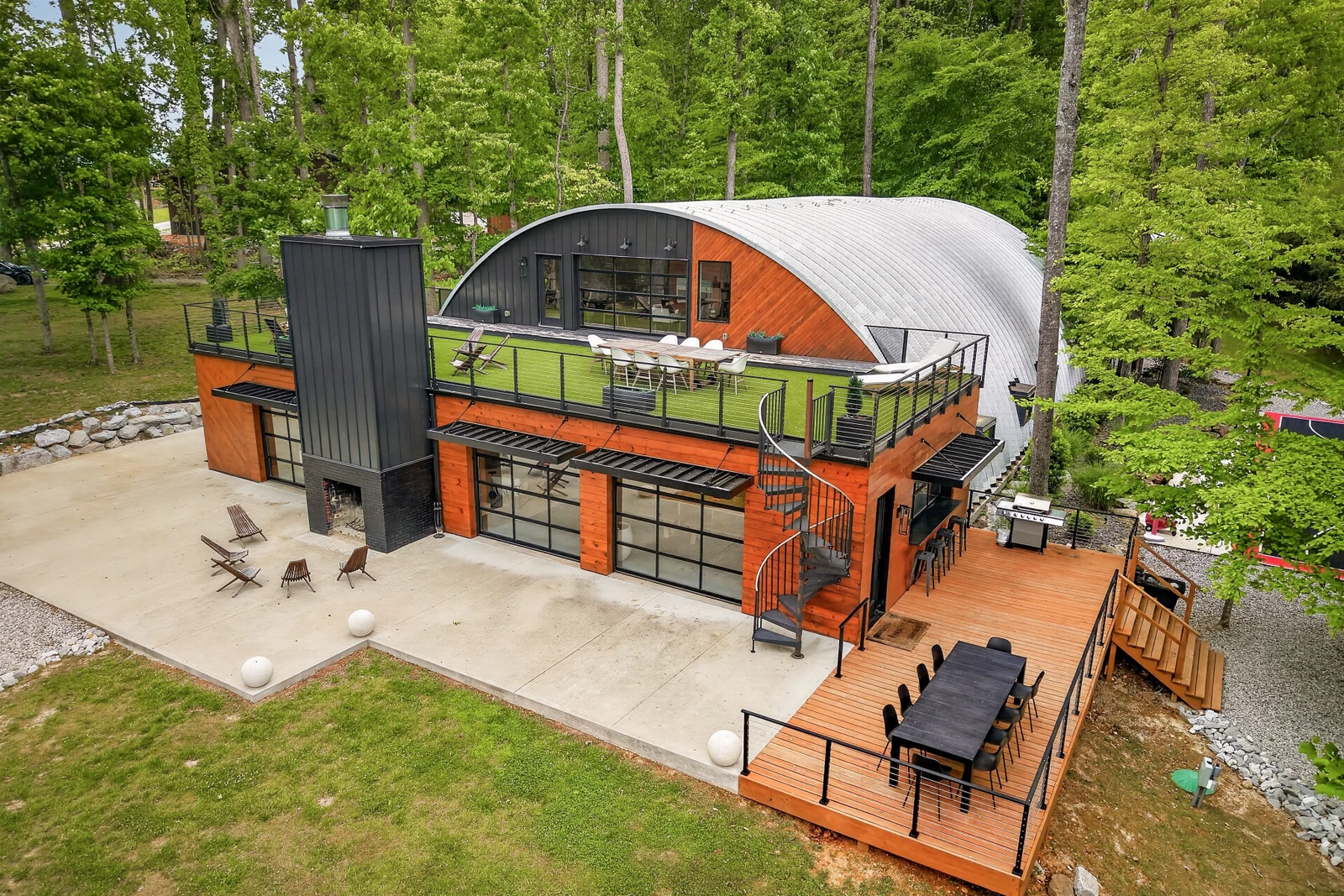
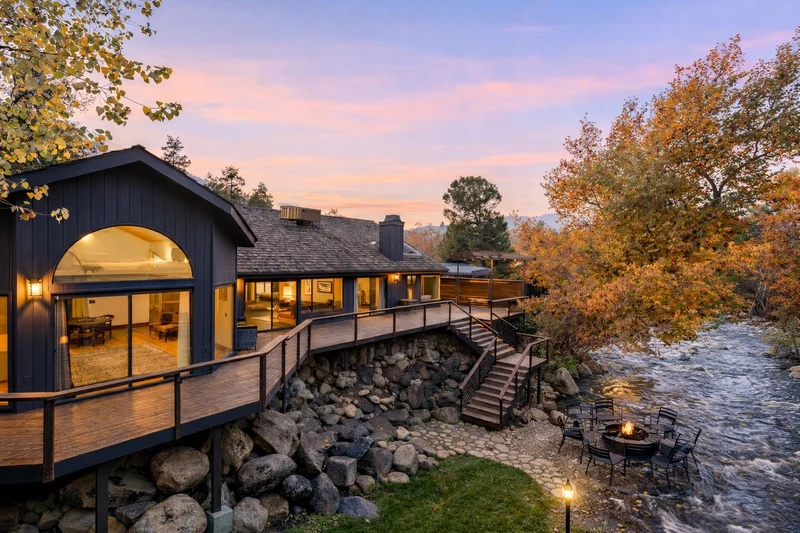
The good news? Estates reward the effort. Properties like this Dale Hollow Lake estate in Tennessee sleep 20 people and give you a rooftop terrace, full kitchens, and an entire weekend with your favorite humans. You just need a vendor team that knows how to work a property like that.
How to Vet Wedding Vendors for Estate Weddings
Okay, so here is the actual process. I built this as a five-step framework because (confession time) I originally tried to vet vendors with a single "vibe check" phone call, and I nearly booked a caterer who had never once worked outside a commercial kitchen. Five steps. Do them in order.
Step 1: Confirm they exist as a business
This sounds silly. It is not. Before you get emotionally attached to anyone's portfolio, spend ten minutes confirming the basics:
- A real business name you can search in your state's business registry
- A professional email on their own domain (not a random free account with numbers in it)
- A website or active portfolio updated within the last year
- Reviews on at least two independent platforms, not just their own testimonial page
You are not looking for perfection. You are looking for evidence that this is a functioning business that will still exist in 14 months when your wedding arrives.
Step 2: Verify insurance and licensing
Every single vendor who sets foot on the property needs general liability insurance, and your caterer and bartender need the licenses their state requires. More on this in the next section, because it deserves its own section.
Step 3: Interrogate their estate experience
Ask for specifics: "Tell me about the last wedding you did at a private property. What went wrong?" A vendor with real estate experience will have a story and a solution. A vendor without it will give you a vague answer about how every wedding is unique. (Every wedding is unique. That is not an answer.)
Step 4: Check vendor-to-vendor reputation
This is the single most underused vetting move, and planners swear by it. Once you have booked one vendor you trust, ask them who they love working with. Good vendors recommend other good vendors because their own reputation rides on the whole day going well. If you mention a name and an experienced pro goes quiet or changes the subject, that silence is data.
Step 5: Read the contract like it is a lease
Because functionally, it is. For estate weddings your contracts need to address setup and teardown windows, power requirements, weather contingencies, travel fees, overtime rates, and who hauls the trash away. If a vendor's contract is one vague page, that is not simplicity. That is a list of future arguments.
Real talk: this process takes longer than swiping through a marketplace and booking whoever answers first. It also prevents the exact disasters that fill wedding forums every single week. When one couple asked r/weddingplanning for their best and worst vendor-hunting stories, nearly every horror story traced back to spotty early communication that should have ended the conversation on day one.
The Insurance Check You Cannot Skip
Wait, I should mention something before we go further: this is the step couples skip most often, and it is the one with actual financial consequences.
Ask every vendor for a certificate of insurance, called a COI. This is a one-page document their insurance company issues (usually within a day or two, for free) proving they carry general liability coverage. Most professional venues require COIs from every vendor before the event, and private estate owners increasingly do too. Many properties ask to be listed as an "additional insured" on the certificate, which is a standard request any legitimate vendor has handled dozens of times.
Here is why it matters at an estate specifically. If a catering staffer trips over a tent stake and breaks an ankle, or a lighting rig scorches a 100-year-old oak floor, someone pays for that. Without vendor insurance, "someone" becomes the property owner or you. With it, the claim goes where it belongs.
What to actually verify on the COI:
- General liability coverage, commonly $1 million per occurrence for wedding vendors
- Policy dates that cover your wedding date, not just today
- The certificate holder, which should name the property or its owner when the venue requires it
- Liquor liability for anyone serving alcohol, which is a separate coverage from general liability
And a quick note from my sustainability corner: insured, licensed vendors are also the ones who handle waste legally. The "cheap" caterer without insurance is often the same one who leaves you with 40 bags of trash and no disposal plan, which becomes both your problem and the property's.
If a vendor hesitates, stalls, or tells you insurance is not necessary for a private property, end the conversation. Every professional I have ever interviewed can produce a COI within 48 hours.
Questions That Reveal Real Estate Experience
Portfolio photos tell you what a vendor's best day looked like. Questions tell you how they think. These are the ones that separate estate-ready professionals from ballroom specialists:
- "Have you worked at properties without a commercial kitchen? What did you change?" A seasoned estate caterer will talk about prep kitchens, hot boxes, generator sizing, and finishing dishes on site.
- "What are your power requirements, in actual numbers?" DJs, bands, caterers, and lighting designers should know their draw in amps. If they shrug, picture your reception going dark mid-toast.
- "What is your rain plan when there is no indoor backup?" Listen for tents, sidewalls, flooring, and timeline shifts. "We'll figure it out" is not a plan.
- "How do you handle load-in on a property with limited access?" Gravel roads, steep driveways, and lawns you cannot drive on are normal estate features. Experienced vendors ask for a site visit before answering.
- "What do you need from me the week before?" Great vendors arrive with a list: final counts, site map, power locations, contact for the property. Vague vendors arrive with problems.
- "Can I speak to a couple who hired you for a private property wedding?" Then actually call them. Ask what surprised them and what they would change.
One more that I personally always add: "What happens to the waste?" Estates do not have dumpsters out back. A professional who has done this before will have a haul-away answer immediately, and the thoughtful ones will talk about composting and donation partners for leftover food and flowers.

Properties with genuine event infrastructure make these conversations easier. The Hudson Valley historic estate in Sparrow Bush has a woodland ceremony site, a waterfront lawn, and an on-site inn that sleeps 16, so your vendors are working with defined spaces instead of guessing. When you tour any estate, walk it with your vendor list in mind: where does the caterer stage, where do trucks park, where does the band plug in.
Red Flags That Should End the Conversation
Some warning signs deserve a second chance. These do not:
No contract, or a contract that fits on a napkin. Professionals use contracts to protect both sides. A vendor who works on a handshake will also cancel on a handshake.
Vague pricing that keeps shifting. If you ask for a quote and get a range that changes every time you email, or fees trickle in after you have committed, walk away. Estate weddings have enough real variables without a vendor inventing new ones.
They have never asked about the property. This one is sneaky. A vendor who quotes you without asking a single question about site access, power, water, or kitchen facilities is either inexperienced or planning to charge you later for everything they did not ask about now.
Slow or chaotic communication before you have paid. Response time during the sales process is the best behavior you will ever see from a vendor. If they take ten days to answer an inquiry now, imagine the week of your wedding.
Pressure tactics. "This price expires Friday" and "I have another couple asking about your date" are sometimes true and always worth noticing. Legitimate urgency comes with paperwork; manufactured urgency comes with a countdown.
No reviews anywhere, or only perfect ones. A real business accumulates a mixed record over time. What you want to see is how they respond to the imperfect reviews. Defensive, blame-the-couple replies tell you exactly how a dispute with them would go.
They discourage you from having insurance or contracts "to keep it simple." Simple for whom? Exactly.
I messed this one up myself, by the way. I once ignored slow email replies from a florist because her work was gorgeous, and I told myself she was just busy (busy is good, right?). She confirmed our consultation for the wrong month. The gorgeous portfolio did not fix the calendar.

Why Big Listing Marketplaces Fail Estate Couples
Let's talk about where most couples actually find vendors, because the discovery channel shapes everything downstream.
The giant wedding marketplaces are, at their core, advertising platforms. Vendors pay for placement. The businesses at the top of your search results are usually the ones with the biggest ad budgets, not the deepest experience. Reviews help, but they skew heavily positive (couples who had a fine experience rarely write essays), and the platforms have little incentive to remove a paying advertiser over a few complaints.
For a ballroom wedding, that flaw is survivable because the venue's own coordinator quietly filters out the disasters. For an estate wedding, there is no filter. You are the filter.
During my own research I came to a slightly grumpy conclusion: most venue and vendor marketplaces are basically Pinterest with a booking button. Pretty pictures in, deposits out, and nobody in the middle checking whether the caterer has ever run a tent kitchen.
This is exactly why WedStay's vetted vendor directory works differently. Vendors apply, and only about 15% of applicants are accepted. Every vendor is background-checked, and the directory spans 500+ professionals across photographers, planners, caterers, and more, all evaluated with private-property weddings in mind. Since WedStay's whole marketplace is built around estate wedding venues, the vendors listed there are not learning on your wedding day.
Should you still do your own vetting on a pre-vetted vendor? Yes. Always. A chosen directory shrinks your shortlist from hundreds of ads to a handful of proven professionals, but the insurance check, the estate-experience questions, and the contract read are still yours to do. Nothing in this guide gets outsourced completely.
Vetting Vendors by Category
The framework above applies to everyone, but each vendor type has its own estate-specific pressure points.
Caterers
The most logistics-heavy vendor at any estate wedding. Beyond insurance and health permits, dig into their off-site kitchen setup: what they cook ahead, what they finish on site, and what equipment they bring versus rent. Ask about staffing ratios for plated versus family-style service. The Knot puts average per-guest wedding spending at $292 across all categories, and catering is usually the biggest slice, so this is where thorough vetting protects the most money. And ask the waste question. Caterers who plan food rescue and composting are usually the same ones who plan everything else well.
Photographers and videographers
Estates are large, unevenly lit, and full of long walks between moments. Ask to see full galleries (not highlight reels) from estate or backyard weddings specifically. You want proof they can handle harsh noon sun on a lawn, dim historic interiors, and a reception tent lit by string lights, all in one day.
Music and entertainment
Power, again. A band that needs 60 amps on a property that offers 20 is a solvable problem only if someone spots it early. Confirm who supplies generators when needed and ask how they handle noise ordinances; rural estates often have quiet hours written into their rental agreements, and your DJ needs to respect the property's rules, not test them.
Planners and coordinators
For estate weddings I consider a planner or at least a month-of coordinator close to essential, because you are effectively building a venue from scratch. The Knot reports the average cost of a full-service planner at $4,100. Vet them on estate logistics specifically: ask how many raw-venue weddings they have run, and ask them to walk you through their vendor load-in schedule from a past event. A great estate planner will also quarterback all those COIs so you do not have to chase paperwork.
Rentals and tenting
The vendor category couples most often forget to vet, because rentals feel like a commodity. They are not. Ask whether they do a site visit before quoting (the good ones insist on it), how they anchor tents on different surfaces, and what their weather-call deadline is for adding sidewalls or flooring.
Transportation
Guests have to get to a property that ride-share drivers may not find. When I planned my own celebration, I realized 80% of our guests would need $60+ rides just to reach us, which is how I became a shuttle evangelist. Vet transportation companies on rural route experience and confirm the vehicles they quote are the vehicles that arrive.
Spotting Greenwashed Vendor Claims
You knew I was going to bring this up eventually. Sustainability claims have become a marketing checkbox, and estate weddings (all that natural beauty!) attract vendors who lean hard on green language. Some of them mean it. Here is how to tell.
Vague claims come free; specifics cost effort. "We're an eco-friendly caterer" means nothing by itself. "We source proteins from two farms within 50 miles, compost through a commercial service, and donate untouched trays through a food rescue org" is a claim you can verify with one phone call. So make the phone call.
Ask florists whether they use floral foam (most conventional foam is a single-use plastic that crumbles into microplastics) and what happens to arrangements after the wedding. Ask caterers what happens to leftovers. Ask rental companies how far their trucks travel, because a "sustainable" vendor driving 300 miles round trip has quietly spent their footprint savings on diesel.
I nearly choked on my fair-trade coffee the first time a vendor told me their practice was sustainable "because everything is so natural out here." The estate being beautiful does not make the business green. Vet the claim like you vet everything else: ask for specifics, and treat fuzzy answers as answers.
The nice thing is that this doubles as general quality vetting. Vendors who can answer detailed questions about sourcing and waste are demonstrating the same operational discipline that gets dinner served hot to 120 people on a hillside.
Your Vendor Vetting Timeline
Vetting takes time, so build it into your booking schedule instead of cramming it into panicked evenings. Industry guidance is consistent that venues book 12 to 18 months out, and your vendor timeline flows from there.
12 to 18 months out: venue and planner. Lock your estate first, because everything downstream depends on the property's rules, spaces, and included amenities. Book your planner in the same window so they can help vet everyone else. If you are still comparing properties, WedStay's wedding weekend planning guide helps you map what a multi-day estate celebration actually requires before you commit.
10 to 14 months out: the big four. Caterer, photographer, entertainment, and rentals. These book earliest and carry the heaviest estate logistics, so start vetting with the full five-step framework the moment your date is firm. Spread inquiries out; vetting four vendors well beats vetting ten badly.
6 to 10 months out: the supporting cast. Florist, transportation, beauty, officiant, videographer if you have not already. Keep running vendor-to-vendor reputation checks; by now your booked vendors are your best scouts.
3 to 6 months out: paperwork sweep. Collect every COI, confirm the property's insurance requirements are met, and schedule site visits for any vendor who has not walked the land. A single group site visit two to three months out, with your caterer, rental company, and coordinator all on the property at once, resolves more problems in ninety minutes than a month of email.
The final month: confirmations. Reconfirm arrival times, power plans, rain calls, and contacts. If you vetted well, this week is boring. Boring is the goal.
One last thought. Vetting wedding vendors for an estate wedding is real work, and I will not pretend otherwise. But the couples who do it get something the ballroom crowd never will: a whole weekend on a private property, surrounded by people they love, run by professionals they chose on evidence instead of ads. That trade is worth every reference call.
Free Tools to Build Your Vendor Team
Finding the right vendors for a private property wedding takes specialized expertise. WedStay makes it simple.
🎯 Start PlanningBrowse Vetted Vendors, Only 15% of applicants accepted. 500+ vetted professionals across photographers, planners, caterers, and 8 more categories.Wedding Budget Planner, See exactly how much to allocate per vendor category based on your location and guest count.Wedding Venue Cost Calculator, Includes vendor add-on pricing for catering, DJ, flowers, hair & makeup, and more by region.Get the Free WedStay App, browse venues, plan, and book on the go.
- Texas Hill Country Wedding Cost Guide: Real Numbers from 12 Venues (2026)
- Why Falling in Love with Someone Who Has a Child Might Be the Best Thing That Ever Happens to You
- A Private Estate Wedding House Just Outside Nashville, Complete with an Event Barn, Scenic Views, and Room to Celebrate All Weekend Long
Frequently Asked Questions
How do couples actually find wedding vendors, and what separates the best experiences from the worst?
Most couples start with marketplaces, Instagram, and word of mouth, but the pattern in couples on r/weddingplanning discussing this is striking: the best experiences almost always came through referrals from other trusted vendors or recently married friends, while the worst ones traced back to ignored early warning signs, especially slow or sloppy communication before booking. For an estate wedding, weight vendor-to-vendor referrals even more heavily. A caterer or planner who already works raw properties knows which DJs and florists can handle gravel driveways and limited power, and their recommendation carries their own reputation with it.
How do vendors get on a venue's preferred vendor list, and is there any benefit to booking from it?
It varies. At some venues, vendors earn a spot by performing well repeatedly and knowing the property's quirks. At others, they pay a fee or a commission for placement, which makes the list closer to advertising than endorsement. Ask the venue directly how vendors qualify and whether money changes hands. The real benefit of a legitimate list is site familiarity: those vendors already know the load-in route, power locations, and house rules. Most private estates have no list at all, which puts the vetting burden entirely on you, so borrow the concept by asking each booked vendor who they trust on that specific property type.
Do I need a wedding coordinator for an estate wedding if my vendors are all experienced?
Yes, and treat it as non-negotiable. Even a team of estate-savvy vendors needs one person directing traffic, because there is no venue coordinator to sequence load-in, manage the timeline, or decide who plugs in where. With couples hiring 13 vendors on average, someone has to own the master site map, the arrival schedule, and the rain call. A full planner is ideal, but at minimum hire a month-of coordinator with documented private-property experience and include a site walkthrough in their contract. Your caterer cannot troubleshoot the band's power draw while plating dinner.
Can I buy my own event insurance for an estate wedding, or is vendor insurance enough?
Get both. Vendor COIs cover damage or injuries their teams cause, but they do not cover your guests, your own decor, or incidents nobody's policy claims. A one-day special event policy, often called wedding liability insurance, typically costs a few hundred dollars and covers guest injuries and property damage, with host liquor liability available as an add-on. Many estate owners now require it in the rental agreement, usually with the property listed as additional insured. Buy it after you have your final vendor list so the coverage limits match what the property demands.
How far in advance should you book vendors for an estate or private property wedding?
Start earlier than the standard 9 to 12 months, because you are fishing in a smaller pond. Vendors with genuine raw-venue experience, especially caterers who can cook without a commercial kitchen and rental companies that supply tents, generators, and restrooms, book out 12 to 18 months for peak season. Lock the property first, then the planner, then catering and rentals, since those drive the site logistics everyone else works around. Schedule vendor site visits before signing, not after. A vendor who quotes a multi-day estate weekend like the Dale Hollow Lake property without walking it is guessing.
Who supplies the generator at an estate wedding, and how big does it need to be?
Usually a rental company, not the individual vendors, though some caterers and bands bring their own backup. Size it by collecting each vendor's actual draw in amps, which is exactly why the post's power question matters, then have the rental company or an electrician spec the unit with 20 to 30 percent headroom. A band, catering hot boxes, and lighting together often push past what residential circuits handle. Ask for a whisper-quiet inverter generator placed away from the ceremony site, and put refueling responsibility in writing. Assign one person, ideally your coordinator, to own the power map on the day.
Sources
1. Event Tent Rental Guide: Comprehensive Step-by-Step Process · brides.com
2. Wedding Checklists & Timeline · marthastewart.com
3. Steps to Choosing Your Wedding Colors · zola.com
4. 45 Questions to Ask a Wedding Venue During Your Tour · theknot.com
From real couples on Reddit
- r/weddingplanning: Best and worst experiences finding vendors · Couples mostly find vendors through Google, Instagram, WeddingWire, and Yelp, filtering by published pricing and responsiveness. Several recommend hiring a local coordinator for vetted vendor referrals, and warn that slow or spotty communication early on is a red flag worth walking away from.
- r/BigBudgetBrides: How do vendors get on a venue’s preferred vendor list? · It depends on the venue: reputable venues build their lists on merit, while others charge vendors for placement or take kickbacks. Couples should ask the venue directly whether recommendations are paid and consider off-list vendors if so, since pay-to-play lists often mean higher costs.
- r/wedding: Frustrations with Wedding Vendors · Couples' biggest frustrations are vendors who go unresponsive after the deposit is paid, quick to reply while booking, near-impossible to reach as the date approaches, and vendors who treat the wedding as content for their own portfolio rather than a service to a paying client. Florists and photographers drew the most complaints, along with surprise fees added late in the process.