How to Get Wedding Photos That Won't Look Dated in 10 Years

Quick Navigation
- Color Palettes: What Endures and What Screams a Specific Year
- What You Wear Matters More Than You'd Expect
- Your Editing Style Will Age Your Photos Faster Than Anything Else
- Posing Trends Date Faster Than You'd Think
- Your Venue Is Either Working For You or Against You
- Decor Choices That Photograph for Decades vs. Months
- Three Questions to Ask Your Photographer About Timelessness
I pulled up a gallery from 2019 last month. A couple had emailed asking for their download link again, they were redecorating and wanted a canvas print for their hallway.
When I opened the files, something hit me.
The ceremony photos? Still stunning.
The golden hour portraits? Beautiful.
But then I scrolled to the reception details and winced. Heavy orange-and-teal presets. Overly smoothed skin. That vintage film filter everyone was using that year. The photos that were supposed to look artistic just looked dated.
And these were good photos. I took them. I edited them. They matched exactly what the couple asked for at the time.
After 200+ weddings, I’ve seen this pattern repeat enough to know exactly which photos age well, and which don’t. The difference almost never comes down to how much you spend on your photographer. It comes down to a handful of decisions, most of which happen before anyone picks up a camera.
If you want wedding photos you’ll still love in 2036, here’s what actually matters.
Your Editing Style Will Age Your Photos Faster Than Anything Else
This is the one thing I wish every couple understood before their wedding day. Your photographer’s editing style determines how your photos age more than any other variable, more than the venue, the dress, or the flowers.
Editing trends move fast. Really fast. The warm sepia tones of 2015. Dark and moody presets in 2018. Bright-and-airy blown highlights around 2020. Orange-and-teal color grading that took over in 2021. Every one of these looked incredible at the time. Every one now clearly reflects its era.
The recent shift toward true-to-color editing isn’t just another trend, it’s a correction. Couples are increasingly asking for realistic skin tones, accurate floral colors, and natural light. From experience, those are the galleries no one comes back wanting to change.
“Trends in editing come and go, but accurate color and natural skin tones will never feel outdated. When a photo reflects reality, it stays emotionally true years later.”
, Daniella Reyes, Lead Photographer
Here’s what happens with heavy presets: your $4,000 bouquet shifts color, skin tones lose accuracy, and sunsets stop matching your memory. The edit overrides reality, and years later, that disconnect becomes noticeable.
What to do instead:
Ask to see full galleries, not just highlights. A full gallery shows consistency across lighting conditions and real-world scenarios.
Also ask:
“How would you describe your editing style, and has it changed in the past three years?”
Consistency here is one of the strongest indicators your photos will age well.
Posing Trends Date Faster Than You'd Think
In 2017, I photographed a couple who wanted the dramatic “looking away from each other” pose that was everywhere at the time. It felt editorial and cinematic then.
A few years later, they asked for alternate frames, something that felt more natural. What they really wanted were the in-between moments.
Posing trends cycle quickly. Jumping bridal parties. Groomsmen lifts. Staged reactions. These are fun, but they timestamp your wedding.
What lasts are real moments:
- The ceremony glance
- The first dance spin
- The unexpected laugh during a toast
“The photos couples love most ten years later are never the ones they planned, they’re the ones they felt.”
, WedStay Collective Creative Team
These aren’t tied to trends, they’re tied to emotion.
That said, every couple should still get one classic portrait: facing the camera, well-lit, clean background. That’s the image that gets framed for decades.
The strongest galleries consistently have a higher ratio of real moments to staged ones.
Your Venue Is Either Working For You or Against You
I've shot in venues that photograph like they've existed for centuries and venues that photograph like they'll be torn down next year. The difference matters more than most couples think when it comes to how wedding photos age.
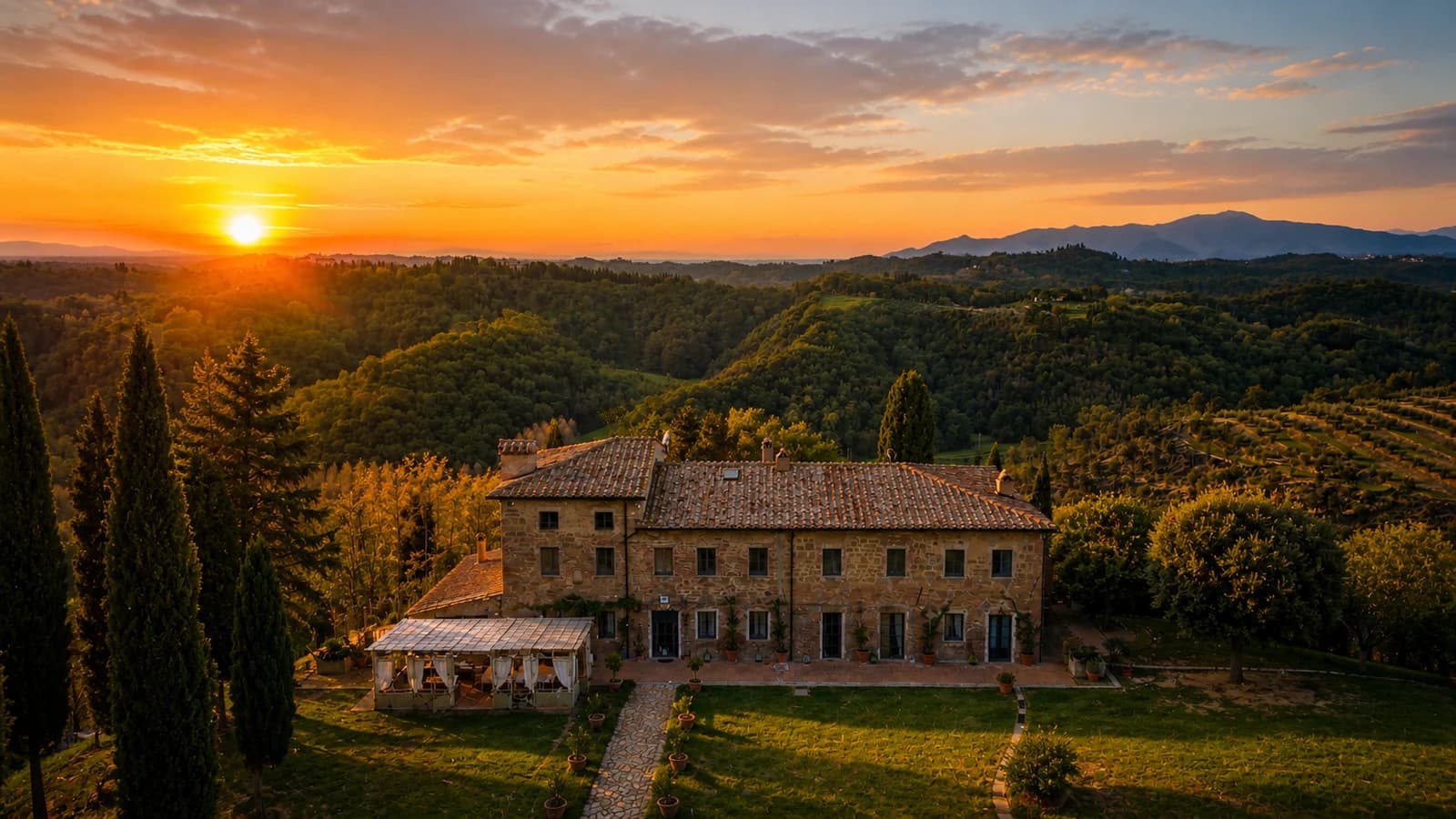
Architecture with history photographs as timeless. Stone walls, arched doorways, natural wood, established gardens. These backdrops don't date because they've already survived decades or centuries of changing taste. I photographed a wedding at a historic castle in Siena, Tuscany where the ceremony happened in a courtyard surrounded by 900-year-old stone walls with lavender fields stretching behind the guests. Those photos could have been taken in 2016 or 2036. The architecture exists outside of trends entirely. The light was warm and golden through olive trees, and from behind my camera, I remember thinking these images will never feel old.
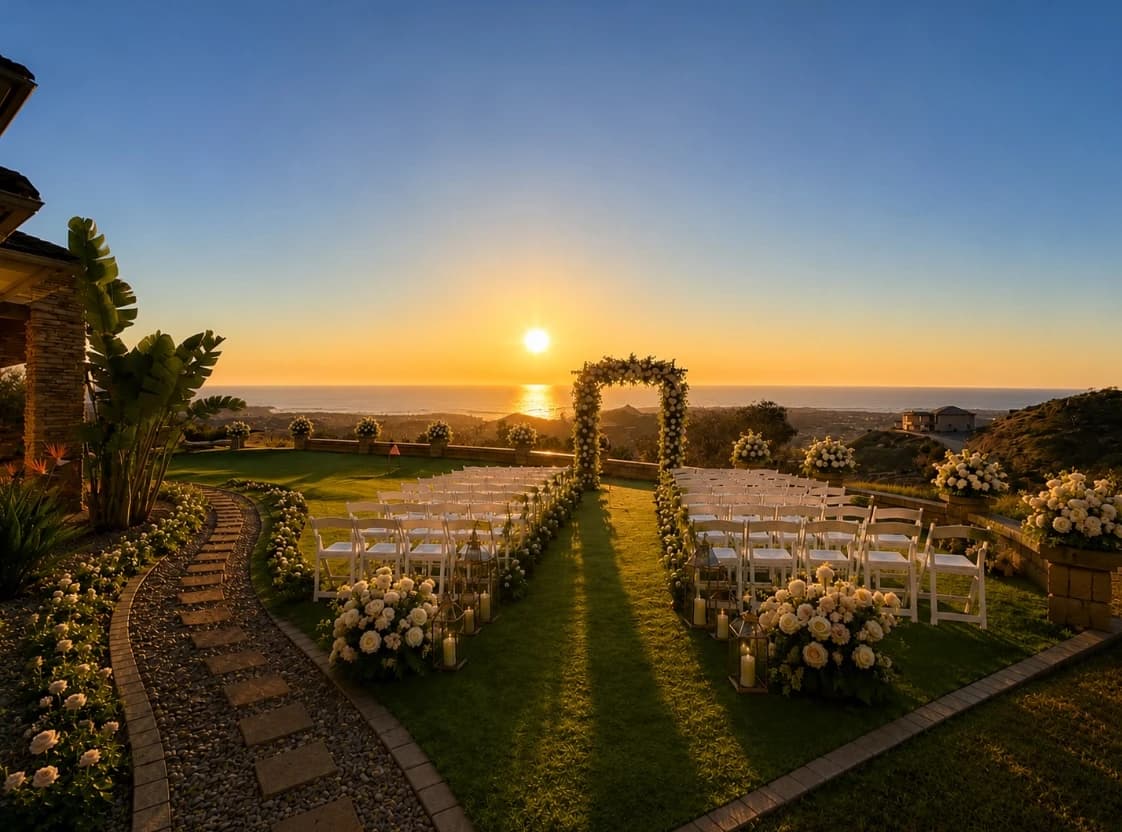
You don't need a medieval castle to get the same effect. Estate properties with genuine architectural character accomplish the same thing. I shot at a historic estate in Jerome, Arizona, a restored 1918 property at 5,000 feet with arched windows, original stonework, and sweeping desert mountain views. The Verde Valley landscape behind the ceremony has looked the same for thousands of years. That rooftop terrace at sunset photographs identically whether it's 1976 or 2026.
Compare that to a venue built around a trend-specific aesthetic. All-white minimalist spaces look incredible right now. But they've only been popular for a few years, and when the design pendulum swings, and it always swings, those photos will signal their era the same way an avocado-green kitchen signals the 1970s.
The sweet spot is a venue with natural beauty and genuine character. Mountains, water, established trees, these never date. Neither does real architectural detail. What dates is designed decor that follows a specific moment in taste. When you're touring a venue, pull up photos from weddings held there five or ten years ago. Do they still look beautiful? Or do they look like a time capsule? That's your answer.
Decor Choices That Photograph for Decades vs. Months
From behind my camera, I've watched certain decor elements stand the test of time and others age like milk. Here's the pattern.
Still beautiful years later:
- Real flowers in natural, organic arrangements not overly structured geometric shapes or dyed neon blooms
- Candlelight in any form, pillar candles, tapers, votives. Warm, simple, classic
- Natural greenery, garlands, olive branches, eucalyptus running down long tables
- Linen tablecloths in neutral or muted tones
- Minimal signage with classic typography
- Anything with genuine patina, wooden farm tables, vintage furniture, aged metal
Obviously of-its-era:
- Neon signs, the "Better Together" neon is already dating 2021-2023 weddings hard
- Rose gold everything, a clear 2018-2020 era marker
- Marquee letter lights, fun but time-stamped
- Color-washed uplighting in unnatural tones. Purple and blue uplighting casts terrible color onto faces in photos and screams a specific reception trend
- Balloon installations, beautiful in person but firmly a 2019-2022 detail
- Silk flower walls, already distinguishable from the real floral installations and scenic walls that replaced them
The 2026 decor movement is toward scenic walls and art-inspired installations, architectural backdrop elements that photograph like structure rather than decoration. According to Vogue's 2026 wedding trend report, these are replacing flower walls and draping entirely. From a photography perspective, I love this shift because architectural elements create dimension and play with light. They age better because they reference design principles rather than a specific design moment.
The rule I give my couples: if your decor requires explaining, "oh, that was the trend in 2026", it will look dated. If it looks beautiful without any context, it's timeless.
Color Palettes: What Endures and What Screams a Specific Year
Every era has its colors. Blush and gold from 2015-2017. Dusty blue and sage from 2019-2021. Terracotta and rust from 2022-2024. All beautiful palettes. All time-stamped. Pull up a wedding from 2016 and you can identify the year by the blush-and-gold story before you even notice the decor.
The palettes that endure are the simplest. White, ivory, and green. Black and white. Navy and cream. Deep burgundy and forest green. These combinations have been beautiful for centuries and will continue to be because they're rooted in nature and formality rather than trend forecasting.
That doesn't mean you can't use color. The 2026 movement toward bold, saturated palettes, jewel tones, rich pinks, unexpected combinations, is actually more likely to age well than the muted, desaturated palettes that preceded it. Boldness reads as confident and intentional. Muted pastels read as following a specific aesthetic movement.
The key is choosing colors you genuinely love rather than colors you're seeing everywhere right now. I photographed a reception at an Italian-inspired estate in Mebane, North Carolina where the couple chose deep plum and olive green, not because it was trending, but because those were the colors of the painting above their fireplace at home. The palette felt specific to them, not to a year. And the stone columns and Mediterranean architecture of the property made those rich colors look like they'd been there forever. The detail that made it work was the personal connection. Colors chosen for meaning outlast colors chosen for mood boards.
What You Wear Matters More Than You'd Expect
Bridal fashion follows trends just like everything else, and some choices photograph as more timeless than others.
Classic silhouettes, A-line, column, fitted with a flowing skirt, have looked beautiful in wedding photos for decades. They'll continue to look beautiful because they follow the body's natural lines rather than a design era's preferences. Exaggerated puff sleeves, extreme high-low hemlines, and very specific neckline trends tend to date more visibly because they're architectural choices driven by fashion cycles.
For suits, the same principle applies. Classic fit in navy, charcoal, or black reads timelessly. The ultra-slim suits of 2016 already look different from the relaxed-fit suits trending in 2026. Somewhere in the middle, well-tailored without being extreme, is the safest bet for photos you'll display for years.
The detail that made it for one couple I shot last fall: the bride wore her mother's veil with a modern dress. The combination of something genuinely vintage with something current created a look that felt both timeless and personal. Nothing about it screamed 2025.
I always tell my couples this about fashion choices, if you love it and it makes you feel like yourself, it will photograph beautifully in any decade. The outfits that date the hardest are the ones couples chose because they thought they were supposed to, not because they genuinely wanted to.
Three Questions to Ask Your Photographer About Timelessness
Most couples ask photographers about packages, turnaround times, and how many edited images they'll get. Almost nobody asks the questions that actually determine how photos age. Here are three I wish every couple would bring to their consultation:
"Can I see a full gallery from a wedding you shot three or more years ago?" Recent work shows current skill. Older work shows staying power. If their 2022 galleries still look beautiful today, that tells you something important about their approach.
"What's your editing philosophy, and has it changed significantly?" You want a photographer who's refined their look, not one who reinvents it every season. Consistency in editing philosophy usually means the work will age consistently too.
"Do you follow editing trends, or do you have a signature style?" Neither answer is wrong. But a photographer with a defined, personal approach to color and light tends to produce work that feels authored rather than trend-responsive. Authored work ages like art. Trend-responsive work ages like fashion.
These conversations take five minutes and will save you from the specific regret I've seen too many couples experience, loving your photos on delivery day, then feeling differently about them three years later.
Consider Film for Your Portraits
Here's something worth thinking about if timelessness matters to you. Film photography, actual 35mm or medium format, has an organic quality that doesn't date the same way digital edits do.
This isn't about the film photography trend happening in 2026, although that's part of the conversation. It's about the physics of the medium. Film grain is random and organic. Digital noise is patterned. Film color rendering comes from chemistry. Digital color rendering comes from software. When a digital editing style goes out of fashion, the photos feel dated because the aesthetic was a software choice tied to a cultural moment. Film just looks like film. Photos shot on Kodak Portra in 1985 and photos shot on Kodak Portra in 2026 have the same fundamental character.
I'm not saying everyone should shoot their entire wedding on film. Digital gives you reliability, volume, and consistency that film can't match for a full wedding day. But consider a photographer who offers hybrid coverage, digital for ceremony and reception where you need speed and certainty, film for portraits and details where the organic rendering creates something that genuinely transcends its era. The couples who've been happiest with their galleries years later, in my experience, are the ones whose photos weren't trying to look like anything other than what happened that day. No filters pretending to be film. No presets pretending to be moody. Just honest documentation of real light, real color, real emotion.
The Simplest Rule for Timeless Wedding Photos
After 200+ weddings, here's the simplest advice I can give. The photos that last are the ones where you forgot the camera was there.
The first look exhale. The ceremony vow stumble. The parent dance tears. The best friend's speech that made the whole room cry. The moment on the dance floor when the music hit and everything else disappeared.
No filter dates those photos. No trend makes them look old. No design era turns them into a time capsule. They're just you, in that moment, living your actual wedding day.
Everything else I've talked about, editing style, venue choice, decor, color palette, fashion, is about removing obstacles between that moment and its future self. Choose natural editing so the colors still match your memory in ten years. Choose a venue that doesn't depend on a current trend for its beauty. Choose decor and colors that mean something to you personally, not to Pinterest in 2026.
I still have galleries from my first year of shooting weddings. The ones that hold up are never the most stylized images. They're the most real ones. A couple laughing so hard they're out of focus. A father seeing his daughter in her dress for the first time. Two people looking at each other like nobody else exists.
Those photos didn't need a trend to be beautiful. And they won't need one to stay that way. Trust me on this one.
Free Tools to Build Your Vendor Team
Finding the right vendors for a private property wedding takes specialized expertise. WedStay makes it simple.
🎯 Start PlanningBrowse Vetted Vendors, Only 15% of applicants accepted. 500+ vetted professionals across photographers, planners, caterers, and 8 more categories.Wedding Budget Planner, See exactly how much to allocate per vendor category based on your location and guest count.Wedding Venue Cost Calculator, Includes vendor add-on pricing for catering, DJ, flowers, hair & makeup, and more by region.
Sources
1. Real Weddings, Real Wedding Photos · brides.com
2. Wedding Inspiration from Real Weddings in Vogue · theknot.com
3. The Etiquette of Wedding Rehearsal Dinners · marthastewart.com
4. Real Wedding Feature: Luxury Backyard Wedding · brides.com