Editorial Candid Wedding Photos: What They Are and How to Get Them

Quick Navigation
- Why Couples in 2026 Are Obsessed With This Style
- What "Editorial Candid" Actually Means
- What to Look for in a Photographer's Portfolio
- How to Plan Your Wedding Day for Editorial Candid Moments
- What You Give Up and What You Get
- Your Editorial Candid Planning Checklist
- Candid vs. Posed vs. Editorial Candid: Here's the Actual Difference
I first noticed it about three years ago. A couple sat down for their planning session, pulled up a Pinterest board, and every single image had the same quality, unstaged, unposed, but somehow still looking like it belonged in a magazine. "We want this," they said. "We just don't know what to call it."
Now I know what to call it. And so does almost every couple getting married in 2026.
Editorial candid photography has become the most requested wedding photo style this year. The Knot named it one of their top trends for 2026, calling it "documentary-style photography that could double as a magazine shoot." And after 200+ weddings, I can tell you this isn't just a social media moment. It's a genuine shift in what couples want their wedding photos to feel like.
Here's what editorial candids actually are, why they work, and most importantly how to plan your wedding day so your photographer can deliver them.
What "Editorial Candid" Actually Means
Let me break this down, because the name sounds like a contradiction.
Candid means unposed. Real moments, real emotions, nothing manufactured. Your grandmother wiping her eyes during the ceremony. Your partner's face when they first see you. The best man mid-laugh during his toast.
Editorial means polished. Magazine-quality composition, intentional lighting, frames that feel curated even though nobody was told where to stand or how to look.
Editorial candid is both at the same time. Your photographer captures real, unscripted moments, but does it with the eye of someone who could be shooting for Vogue. The composition is deliberate. The light is considered. The framing tells a story. But the moment itself is completely genuine.
I've seen this play out at hundreds of weddings now. The couples who get the best editorial candids understand one thing: this style doesn't happen by accident. It happens because someone planned for it.
Why Couples in 2026 Are Obsessed With This Style
There's been a cultural shift in what people want from their wedding photos. A few years ago, couples would hand me a shot list with 40 specific poses. Now the most common thing I hear is, "We just want it to feel real."
Here's what's driving the change.
Social media raised the bar. According to Zola's 2026 wedding data, 87% of couples make planning decisions influenced by social media. They've scrolled through thousands of wedding posts. They can spot a forced smile from three swipes away. The heavily posed, everyone-look-here style reads as dated now, like a product catalog instead of a love story.
Gen Z is reshaping the market. The Knot's 2026 Real Weddings Study found that Gen Z now represents 41% of couples getting married this year. This generation grew up on Instagram and TikTok. They know what looks curated and what looks authentic. They want photos that capture atmosphere, movement, and emotion, not a lineup of people staring at a lens.
Film photography is back. The comeback of actual 35mm and medium format film, not just vintage filters, but real film, feeds directly into the editorial candid aesthetic. Film's organic grain, natural color rendition, and limited frame count encourage photographers to slow down and wait for the real moment instead of machine-gunning through poses. Couples are choosing film because it forces intentionality, and intentionality is exactly what editorial candid work requires.
Experience now matters more than performance. Vogue's 2026 wedding trend report put it plainly: "If a detail only exists to be photographed, it's losing relevance." Couples want their wedding to feel incredible to live through. And they want photos that prove it did, not photos that prove they knew how to pose.
Candid vs. Posed vs. Editorial Candid: Here's the Actual Difference
This is where most couples get confused, so I'll be direct.
Traditional posed photography is exactly what it sounds like. Your photographer tells you where to stand, how to hold your bouquet, which direction to tilt your chin. Everyone looks at the camera. Smile. Click. These photos serve a purpose. They're clean, organized, and your grandmother will love them. But they don't usually make you feel anything visceral when you look at them ten years later.
Pure candid photography, sometimes called photojournalistic, sits at the opposite end. The photographer barely directs at all. They document what unfolds. The upside is total authenticity. The downside? Sometimes what unfolds is people standing around holding cocktails with uneven posture in flat lighting. Not every real moment makes a good photograph.
Editorial candid lives in the middle. Your photographer creates the conditions for real moments to happen, then captures them with intentional composition and light. They might say, "Walk toward each other" instead of "Stand here and smile." They might position you near a window because they know the light is extraordinary, but what you do once you're there is entirely up to you.
After 200+ weddings, I can tell you without hesitation: this middle ground produces the photos couples actually print, frame, and come back to me in tears about years later.
What to Look for in a Photographer's Portfolio
Not every photographer can deliver editorial candids, and that's completely fine. It's a specific skill that demands two things most photographers have one of but not both: technical precision and the patience to let moments happen.
Here's what to look for.
Look at full galleries, not just highlights. I always tell my couples this. A highlight reel can make anyone look brilliant. Ask to see a complete wedding gallery. In an editorial candid photographer's full gallery, the "in-between" moments should still look beautiful. The walk back up the aisle. The pause between toasts. The quiet second when someone's adjusting a cufflink. If those moments feel like throwaway shots, this isn't your photographer.
Check for variety within a single wedding. Editorial candid photographers should have tight emotional close-ups, wide atmospheric shots, detail work, and motion all in the same gallery. If every photo is taken from the same distance and angle, the photographer is shooting from a formula, not responding to what's actually happening in the room.
Pay attention to the light. This is the tell. In editorial candid work, the light should feel considered even in unplanned moments. The photographer chased the light, found the right angle, and waited. I shot at the Catskills Literary Inn in Hobart, New York, last year. Vintage books lined the walls, an antique writing desk sat by a window, and the morning light poured in at exactly the right angle. The detail shots looked like a design magazine spread, not because we staged anything, but because I recognized that light and was ready when it happened. If light looks flat and unremarkable across a photographer's gallery, the "editorial" half of editorial candid is missing.
Notice what people are doing in the frames. In the best editorial candid portfolios, people are mid-action. Walking, laughing, dancing, whispering. Nobody is standing still and staring at the camera unless it's a formal portrait clearly labeled as such. The energy in the gallery should feel alive.
Ask about their approach during your consultation. The question that matters most: "How much do you direct during the day?" The answer you're looking for sounds something like, "I guide the situation and let the moment happen." If they say, "I'll tell you exactly what to do at every point," that's traditional posing. If they say, "I don't direct at all," that's photojournalism. You want the photographer who builds the frame and trusts you to fill it.
That answer is why I keep steering couples toward photographers who build their whole process around it. Erin Tandler of GracedByLight Photography is one of them, and her documentary work in the WedStay directory shows what it looks like when someone waits for a moment instead of arranging it. She is an Arizona local shooting natural light through desert elopements and estate weekends, and she runs a story session before the wedding so the camera has stopped feeling like a stranger by the time it counts. Scroll a few of her full galleries with the light test above in mind. The in-between frames are the ones that hold up.
How to Plan Your Wedding Day for Editorial Candid Moments
Here's what most couples don't realize: editorial candid photography requires more planning, not less. The magic of an unstaged moment only works if you've built a day that creates space for those moments to happen naturally.
Build Buffer Time Into Your Timeline
This is the single most important thing you can do. The calm wedding timeline is the biggest planning trend of 2026 for a reason, and it's not just about reducing stress. When your day is packed minute-to-minute, your photographer is rushing to document logistics instead of waiting for emotion.
I recommend two 15-to-20-minute buffer pockets: one before the ceremony and one after dinner service begins. Those pockets are where the editorial candid magic lives. It's the moment you and your partner step away from the crowd and breathe. The quiet laugh. The forehead touch. No one is watching. And your photographer, standing 30 feet away with a long lens, captures something that belongs in a film.
The November wedding where toasts ran long and we lost golden hour entirely? That couple had no buffer time built in. The couples who create breathing room consistently end up with more stunning images, because they gave their photographer and themselves the space to be present.
Choose a Venue With Character
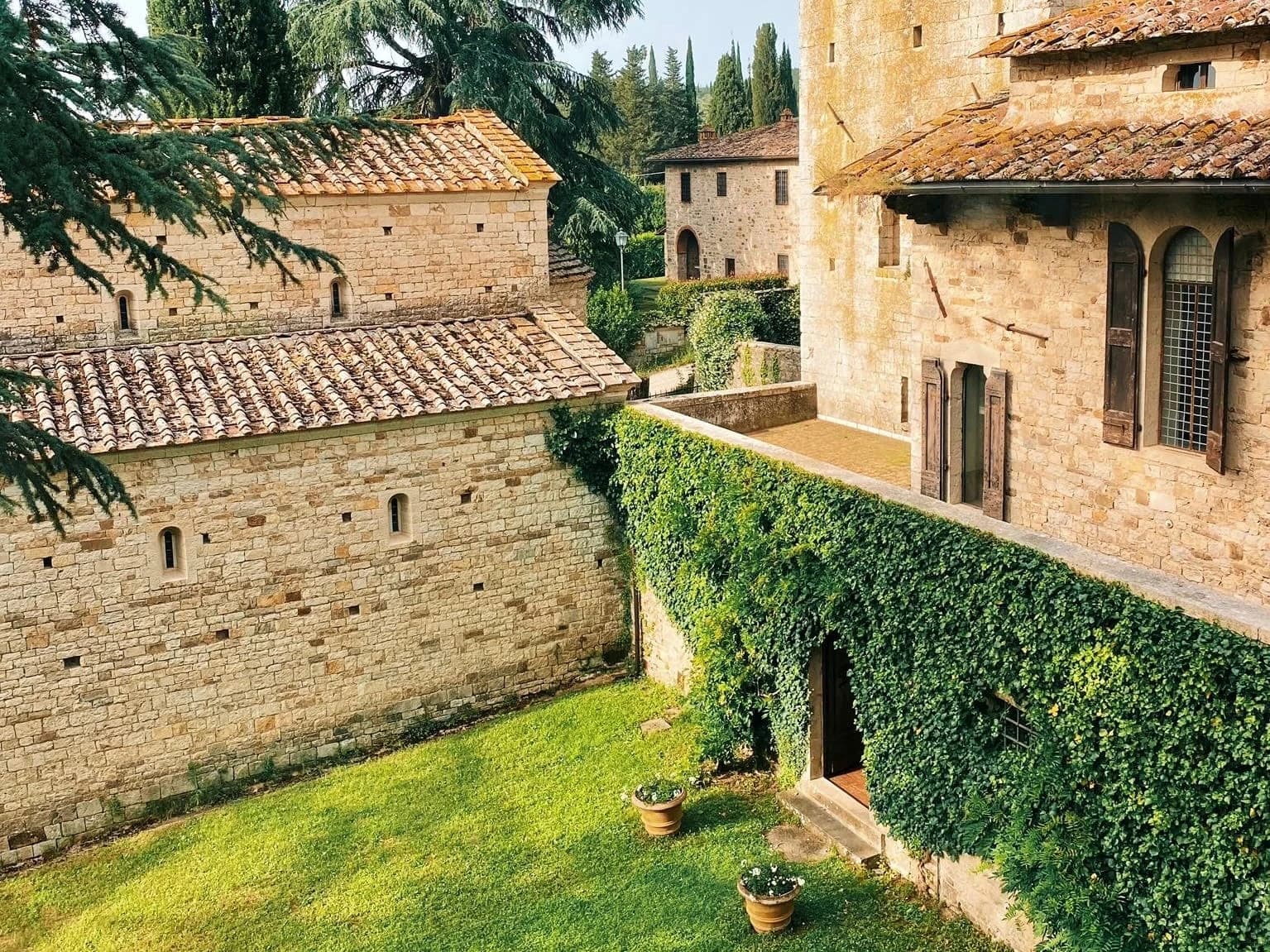
Some spaces are built for editorial candids. Venues with natural light, architectural interest, and multiple distinct areas create variety in your gallery without anyone manufacturing it.
I shot a wedding at an Italian-inspired estate in Mebane, North Carolina, where stone columns framed an interior courtyard. One couple walked through that courtyard mid-conversation, completely unaware I was shooting, and those frames became their anniversary prints. The stone, the light, the greenery did half the work. I just had to recognize the moment and be there for it.
Rental properties and estates often outperform traditional banquet halls for editorial candid work. The rooms have character. The grounds have texture. Every corner offers something a blank-slate ballroom doesn't: a natural backdrop that tells a story on its own. When you're choosing between venues, think about whether the space gives your photographer environments to work with, not just a pretty ceremony spot, but interesting light and architecture throughout the entire property.
Give Your Photographer a Relationship Map
This sounds unusual, but trust me on this one. Before the wedding, tell your photographer which relationships matter most. Which bridesmaid has been your best friend since childhood? Which parent is going to struggle to hold it together during the vows? Who's the person most likely to give the toast that makes the entire room cry?
Editorial candid photographers work by anticipating moments. If I know your dad is a reserved man who rarely shows emotion, I'm going to have my lens on him during the ceremony. If I know your college roommate held you through every hard season before this relationship, I'm watching for that hug after the vows. The more context I have about who matters and why, the more I can be in the right place when the real moment lands.
Embrace the First Look or the First Touch
Here's what actually happens at first looks in 2026. They're shifting away from the staged, Instagram-ready performance they used to be. But as a photographer, I still value them enormously for editorial candid work.
A first look gives me 10 to 15 minutes of pure emotional territory with just the two of you. No audience, no timeline pressure, no guests watching. The reaction is genuine. The relief is real. The laugh after the tears is real. And because I've already scouted the location for light and composition, the frames look editorial without a single direction.
If a first look doesn't feel right for you, the "first touch", holding hands around a corner without seeing each other, creates a similar emotional window. Either way, build one of these into your timeline. It's editorial candid gold.
Go Unplugged for the Ceremony
I say this in every planning meeting: an unplugged ceremony is the single best gift you can give yourselves and your photographer. When guests aren't holding up phones, sight lines stay clear and your photographer can move freely through the space.
More importantly, the guests themselves are actually present. Which means their reactions are genuine, visible, and available to capture. Some of the most powerful editorial candid frames I've ever taken are of guests. Your mom's face during the vows. Your best friend pressing her hand over her mouth. The groomsman wiping his eye when he thinks no one is looking. Those moments vanish when half the room is watching through a screen.
The Moments That Make Editorial Candids Unforgettable
After photographing 200+ weddings, I know exactly which moments produce the strongest editorial candids. Every time, without exception.
The exhale after the dress goes on. That breath when the last button is fastened and the bride looks at herself for the first time. It's almost always the photo that gets framed. I don't pose it. I don't ask for it. I just make sure I'm in the room, in the right light, when it happens.
The walk between locations. The transition from ceremony to cocktail hour. The couple walking across a lawn together, slightly ahead of the crowd, finally married. These in-between moments feel like movie stills because the couple is relaxed, the pressure has lifted, and nobody thinks the camera is watching.
The quiet observer. There's always one. In almost every wedding party, there's someone who watches from the doorway, feeling the most. The bridesmaid who steps back during the toast and presses her hand to her chest. The father who sits alone for thirty seconds before the first dance. These people give me the editorial candids that make couples cry when they see the gallery, because those are the moments nobody else noticed happening.
The last thirty minutes of the reception. When the music is loud and the shoes are off and your college friends are singing and your aunt is dancing with your nephew. I switch to a slow shutter with a flash pop, it creates that dreamy, high-energy look that feels like actually being in that room. Those frames are editorial candid at its purest: completely real, completely alive, and still beautifully composed.
What You Give Up and What You Get
I'll be honest about the trade-offs, because I think you deserve to know.
With editorial candid photography, you'll probably have fewer "everyone look at the camera" group shots. You'll have fewer perfectly symmetrical, template-ready Pinterest images. And there may be moments where you wish someone had told you to move two inches to the left.
What you get instead is a gallery that feels like a memory. Not a performance. Not a production. A collection of moments that make you feel like you're back in that room, in that light, with those people, living it again.
68% of couples in metro areas are specifically requesting unposed-posed imagery this year. That number was barely trackable five years ago. This isn't a trend that's peaking and fading. It's a fundamental shift in how couples want their wedding story told.
Your Editorial Candid Planning Checklist
If this style resonates with you, here's exactly what to do:
- Ask photographers about their directing approach during consultations, you want "guided moments," not full posing or zero direction
- Review full galleries, not just highlight reels, the in-between shots reveal everything
- Build two 15-20 minute buffer pockets into your wedding timeline, minimum
- Choose a venue with natural light and architectural character, rental estates and unique properties consistently outperform blank-slate ballrooms
- Brief your photographer on key relationships, who matters, who's emotional, who they should watch
- Plan a first look or first touch for uninterrupted emotional coverage
- Go unplugged for the ceremony, authentic reactions need real presence
- Trust your photographer's instincts, the best editorial candids happen when you stop performing and start living your day
The most beautiful wedding photo I've ever taken was one the couple didn't know I was shooting. They were standing at the edge of a wraparound porch, barefoot, after the last dance. String lights behind them, stars above. She whispered something. He laughed. One frame. Zero direction.
That photo is on their living room wall now.
That's what editorial candid photography is. Real life, through the eye of someone who knows exactly how to see it.
Ready to Find Your Dream Venue?
I know how overwhelming venue hunting can be (trust me, I've been there!). That's why I created this free tool to cut through the confusion:
Try Our Free Wedding Venue Cost Calculator
- Wedding Venue Cost Calculator
- No email required - get instant results!
Happy planning! 💕
Sources
1. Real Weddings, Real Wedding Photos · brides.com
2. Wedding Inspiration from Real Weddings in Vogue · theknot.com
3. The Etiquette of Wedding Rehearsal Dinners · marthastewart.com
4. The Complete Guide to Wedding Photography Styles · brides.com
5. Steps to Choosing Your Wedding Colors · zola.com
6. Summer Wedding Tips for the Perfect Warm Weather Celebration · vogue.com
7. The Most Popular Wedding Cake Flavors · marthastewart.com